

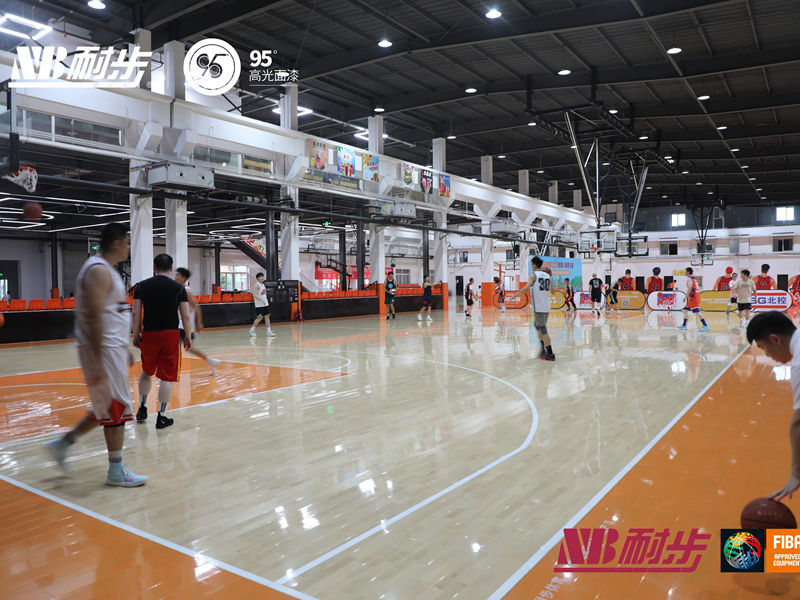
When it comes to equipping an athletic facility, the choice of flooring can make or break the entire experience for athletes, spectators, and facility operators. Among all the available options, indoor sports wooden flooring stands out as the superior choice for a multitude of reasons. This article explores why top-tier sports facilities around the world consistently choose wood over synthetic alternatives.
The primary reason indoor sports wooden flooring is preferred is its unmatched performance characteristics. Wood provides a natural shock absorption that protects athletes' joints, reduces the risk of injury, and enhances overall performance. The cellular structure of wood allows it to compress slightly under impact and then return to its original shape, creating a forgiving surface that synthetic materials simply cannot replicate.
Ball bounce consistency is another area where indoor sports wooden flooring excels. For sports like basketball, volleyball, and handball, consistent ball bounce is critical to fair play. Wooden floors provide a uniform and predictable bounce that players can rely on, whereas synthetic floors often produce inconsistent bounce patterns that can affect gameplay.
Aesthetics also play a significant role in the decision to choose indoor sports wooden flooring. There is something inherently prestigious about a hardwood sports court. The warm tones, natural grain patterns, and polished finish create an atmosphere that elevates the entire facility. This is why professional sports leagues, including the NBA and FIBA, mandate hardwood courts for their competitions.
Durability is yet another compelling advantage. High-quality indoor sports wooden flooring can last 30 to 50 years with proper maintenance. While the initial investment is higher than synthetic alternatives, the long-term cost of ownership is often lower because the floor does not need to be replaced as frequently. Many professional arenas have been using the same wooden floors for decades, with periodic refinishing keeping them looking and performing like new.
Indoor sports wooden flooring also contributes to a better indoor environment. Wood is a natural material that does not off-gas harmful chemicals, unlike some synthetic flooring options. This makes it a healthier choice for athletes who spend hours training and competing on the surface. Additionally, wood has natural moisture-regulating properties that help maintain a more comfortable humidity level in the facility.
From an environmental perspective, indoor sports wooden flooring is a sustainable choice when sourced from responsibly managed forests. Many manufacturers now offer floors certified by organizations like the Forest Stewardship Council (FSC), ensuring that the wood comes from sustainably harvested sources. At the end of its life, wood can be recycled or repurposed, further reducing its environmental footprint.
The versatility of indoor sports wooden flooring should not be overlooked. A single hardwood floor can accommodate multiple sports, from basketball and volleyball to badminton and futsal. This makes it an ideal choice for multipurpose facilities that need to host a variety of activities.
Finally, indoor sports wooden flooring adds value to a property. Facilities with professional-grade hardwood floors are more attractive to tenants, sponsors, and event organizers. The prestige associated with a hardwood court can translate into higher rental rates and more bookings.
In summary, indoor sports wooden flooring offers a combination of performance, aesthetics, durability, health benefits, and value that no other flooring option can match. For any serious athletic facility, it is not just the best choice — it is the only choice.
Leave a Reply