

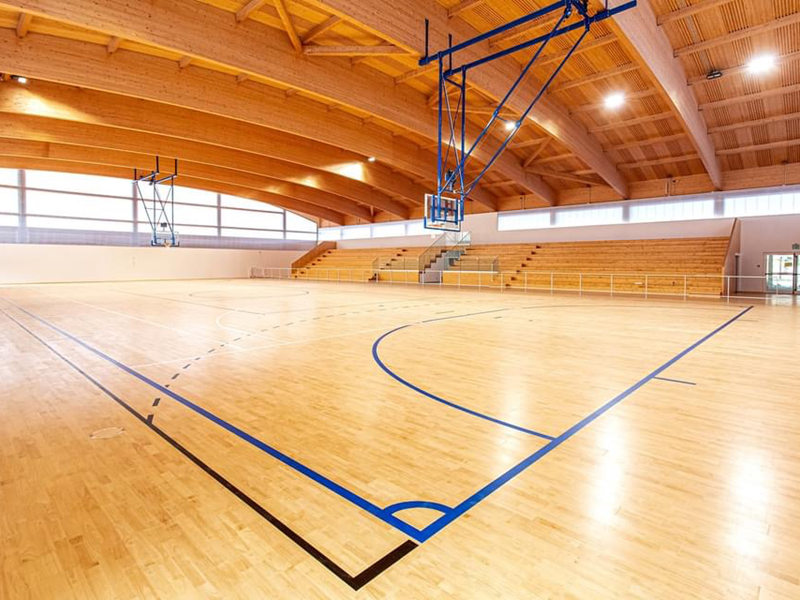
Indoor sports wooden flooring has become the gold standard for athletic facilities around the world. Whether you are building a new gymnasium, renovating an existing sports hall, or simply looking to upgrade your facility, understanding the ins and outs of indoor sports wooden flooring is essential. This comprehensive guide will walk you through everything you need to know, from the types of wood used to the installation process, maintenance requirements, and everything in between.
Indoor sports wooden flooring is specifically engineered to meet the demanding requirements of athletic environments. Unlike residential hardwood flooring, sports wooden flooring is designed to absorb shock, provide consistent ball bounce, and withstand the intense foot traffic and equipment use that comes with competitive and recreational sports. The flooring system typically consists of multiple layers, including a subfloor, moisture barrier, load-bearing beams, shock-absorbing pads, and the top layer of hardwood planks.
One of the most important factors to consider when selecting indoor sports wooden flooring is the species of wood. Maple, oak, and beech are the three most commonly used species, with maple being the most popular choice for professional basketball courts due to its durability, light color, and excellent ball bounce characteristics. Oak is favored for multipurpose facilities because of its strength and classic appearance, while beech is often used in European facilities for its hardness and consistent grain pattern.
The thickness of the wood planks is another critical consideration. Standard sports flooring planks typically range from 20mm to 26mm in thickness, with 22mm being the most common for professional applications. Thicker planks generally provide better durability and a more premium feel underfoot, but they also come at a higher cost.
Beyond the wood itself, the entire flooring system matters enormously. The subfloor provides the structural foundation, while the shock-absorbing layer (often made of polyurethane or rubber) is what gives sports flooring its signature performance characteristics. The DIN (Deutsches Institut für Normung) rating system is commonly used to measure shock absorption, with professional basketball courts typically requiring a DIN rating between 35% and 53%.
When it comes to installation, indoor sports wooden flooring should always be installed by certified professionals. The process involves precise leveling, moisture testing, acclimatization of the wood, and careful installation of each individual plank. Proper installation is critical to ensuring the floor performs as intended and lasts for decades.
Maintenance of indoor sports wooden flooring is relatively straightforward but must be done regularly. Daily sweeping, periodic damp mopping, and annual sanding and refinishing are the standard maintenance activities. Avoiding excessive water and using proper cleaning products are essential to preserving the floor's finish and performance.
In conclusion, indoor sports wooden flooring is a significant investment, but one that pays dividends in terms of athlete safety, performance, and facility aesthetics. By understanding the key factors involved in selection, installation, and maintenance, you can ensure that your investment serves your facility well for many years to come.
Leave a Reply