

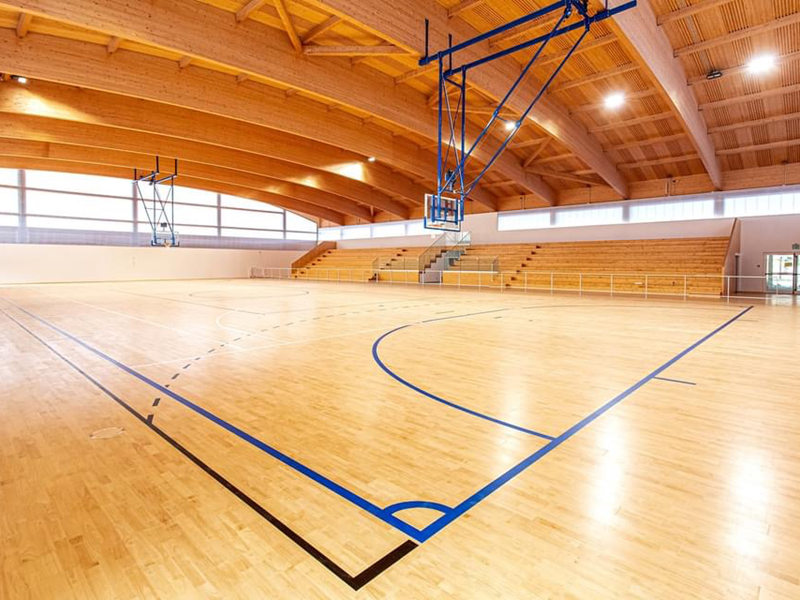
When it comes to creating the perfect indoor sports environment, the flooring you choose can make or break the entire experience. Indoor sports wooden flooring has long been considered the gold standard for athletic venues, and for good reason. It offers a combination of performance, aesthetics, durability, and safety that few other flooring materials can match. Whether you are building a new gymnasium, renovating an existing facility, or simply looking to upgrade your playing surface, understanding everything about indoor sports wooden flooring is essential before you commit to a decision.
Indoor sports wooden flooring is specifically engineered to meet the demanding requirements of athletic activity. Unlike regular hardwood flooring found in homes and offices, sports wood flooring is constructed with multiple layers of material designed to absorb shock, provide consistent ball bounce, and offer exceptional durability under heavy foot traffic. The top layer is typically made from hard maple, oak, or ash — woods known for their density, strength, and ability to withstand the rigors of competitive sports.
One of the first things to consider when evaluating indoor sports wooden flooring is the type of sport that will be played on the surface. Different sports have different requirements. Basketball, for example, demands a floor with excellent ball bounce and shock absorption. Volleyball requires a surface that is forgiving on the joints while still providing good traction. Badminton and table tennis need a very flat, smooth surface with minimal friction. Understanding these nuances will help you select the right flooring system for your specific needs.
The construction of indoor sports wooden flooring is another critical factor. Most high-quality sports wood floors consist of several distinct layers. The top layer, or wearing surface, is the hardwood that athletes interact with directly. Beneath that is a sub-floor layer made from plywood or oriented strand board (OSB), which provides structural stability. Between these layers, you will often find a shock-absorbing layer made from materials like rubber, foam, or specialized polymer compounds. This multi-layer construction is what gives sports wood flooring its superior performance characteristics.
Thickness is another important specification to consider. Indoor sports wooden flooring typically ranges from 18 millimeters to 26 millimeters in total thickness, depending on the application. Thicker floors generally offer better shock absorption and durability, but they also come at a higher cost. For professional-level competitions, a minimum thickness of 20 millimeters is usually recommended.
Installation is a process that should never be taken lightly. Indoor sports wooden flooring must be installed by trained professionals who understand the unique requirements of athletic surfaces. Improper installation can lead to warping, uneven surfaces, poor ball bounce, and a host of other problems that can compromise both performance and safety. The installation process typically involves leveling the sub-floor, laying down moisture barriers, assembling the flooring panels, securing them with appropriate fasteners, and then applying the finish coat.
Maintenance is the final piece of the puzzle. While indoor sports wooden flooring is remarkably durable, it does require regular care to maintain its performance and appearance. This includes daily sweeping to remove dust and debris, periodic mopping with a sports-specific cleaner, and regular refinishing to restore the surface when it begins to show signs of wear. A well-maintained sports wood floor can last for decades, making it an excellent long-term investment.
In conclusion, indoor sports wooden flooring is a sophisticated product that requires careful consideration of many factors. By understanding the science behind the construction, the requirements of your specific sport, and the long-term maintenance needs, you can make an informed decision that will serve your facility well for years to come.
Leave a Reply