

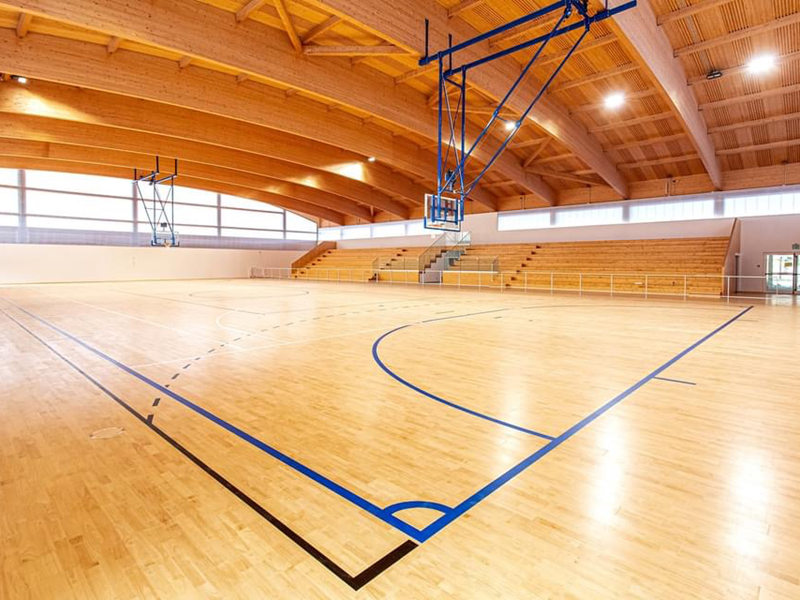
Indoor sports wooden flooring has become the gold standard for athletic facilities around the world. From professional basketball arenas to community recreation centers, hardwood floors provide the performance, durability, and aesthetics that athletes and facility managers demand. This comprehensive guide covers everything you need to know about indoor sports wooden flooring — from its composition and benefits to installation, maintenance, and cost considerations.
What Is Indoor Sports Wooden Flooring?
Indoor sports wooden flooring is a specially engineered flooring system designed for athletic use. Unlike residential hardwood floors, sports flooring is built to withstand the intense demands of competitive and recreational sports. It typically consists of multiple layers, including a solid hardwood top layer, a sub-layer of engineered wood or plywood, and sometimes a foam or rubber underlayment for shock absorption.
The most commonly used species for sports flooring include maple (Acer saccharum), oak (Quercus), beech (Fagus), and birch (Betula). Maple is by far the most popular choice, especially for basketball courts, due to its hardness, light color, and consistent grain pattern.
Key Benefits of Indoor Sports Wooden Flooring
Performance: Sports wooden floors are engineered to meet strict performance standards set by organizations like DIN (Deutsches Institut für Normung), EN (European Norm), and FIBA (International Basketball Federation). These standards measure ball rebound, shock absorption, vertical deformation, and rotational resistance.
Durability: A well-maintained sports wooden floor can last 30 to 50 years or more. The top layer can be sanded and refinished multiple times, extending the life of the floor significantly.
Aesthetics: Nothing compares to the look and feel of a polished hardwood sports floor. The warm tones and natural grain create an inviting atmosphere that enhances the spectator experience.
Safety: Modern sports wooden floors are designed with athlete safety in mind. The shock-absorbing properties reduce the risk of joint injuries, and the surface provides consistent traction to prevent slipping.
Versatility: Indoor sports wooden flooring can be used for a wide range of sports, including basketball, volleyball, badminton, handball, futsal, and even gymnastics. With proper markings, a single floor can serve multiple purposes.
Types of Indoor Sports Wooden Flooring
There are two main types:
- Solid Hardwood Flooring: Made from a single piece of hardwood, typically 20mm thick. This is the traditional choice for professional arenas.
- Engineered Wood Flooring: Made from multiple layers of wood with a hardwood top veneer (usually 3-6mm thick). Engineered flooring is more dimensionally stable and can be installed over concrete subfloors with adhesive or floating systems.
Cost Considerations
The cost of indoor sports wooden flooring varies widely depending on the species, thickness, finish, and installation method. On average:
- Material cost: 15–40 per square foot
- Installation cost: 8–15 per square foot
- Total installed cost: 23–55 per square foot
Professional-grade maple flooring with custom markings and logos can cost even more.
Conclusion
Indoor sports wooden flooring is an investment that pays dividends in performance, aesthetics, and longevity. Whether you're building a new facility or renovating an existing one, understanding the options available will help you make the best decision for your needs.
Leave a Reply