

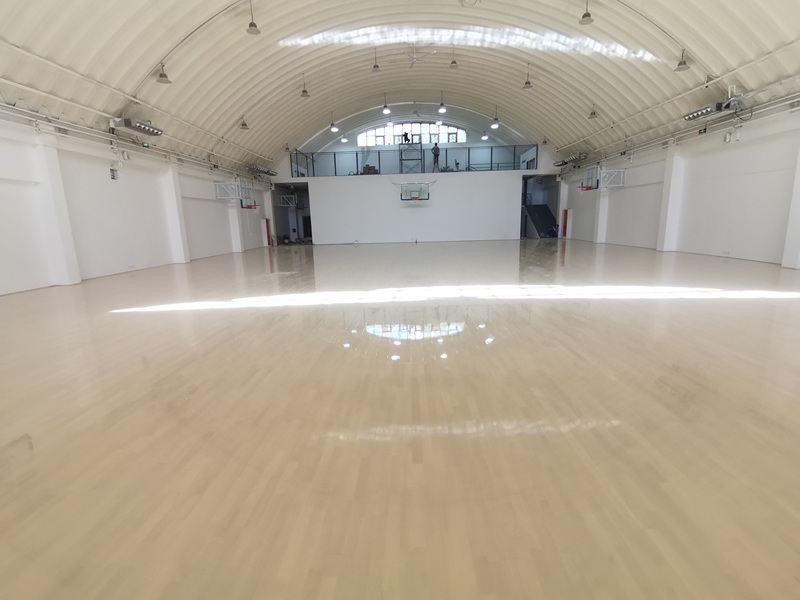
Indoor sports wooden flooring is not only a high-performance surface but also an environmentally responsible choice. When compared to synthetic alternatives like PVC, rubber, or polyurethane, wooden flooring offers significant environmental advantages that are becoming increasingly important to facility owners, athletes, coaches, and governing bodies around the world. In this article, we will explore the environmental impact of indoor sports wooden flooring in depth and explain why it is one of the most sustainable choices available for modern sports facilities.
One of the primary environmental benefits of wooden flooring is that wood is a renewable resource. Unlike synthetic materials, which are derived from petroleum and other non-renewable resources that will eventually be depleted, wood comes from trees that can be replanted and harvested sustainably. When forests are managed responsibly through certified sustainable forestry programs, the rate of tree planting exceeds the rate of harvesting, creating a sustainable cycle that can continue indefinitely. This means that every time a tree is harvested for flooring, new trees are planted to replace it, ensuring a continuous supply of raw material without depleting natural resources. This is in stark contrast to synthetic floors, which rely on fossil fuels that are finite and contribute to climate change when extracted and processed.
Carbon sequestration is another major environmental advantage of wooden flooring that is often overlooked. Trees absorb carbon dioxide from the atmosphere as they grow, and this carbon remains stored in the wood even after the tree is harvested and manufactured into flooring panels. A typical indoor sports wooden floor can sequester a significant amount of carbon over its lifetime, effectively offsetting the carbon emissions associated with its production, transportation, and installation. In essence, a wooden sports floor acts as a carbon sink, helping to mitigate the effects of climate change. Synthetic floors, on the other hand, release carbon dioxide during their manufacture and do not store any carbon, making them a net contributor to greenhouse gas emissions.
The production process for wooden flooring is also more environmentally friendly than that of synthetic alternatives. Wood flooring requires significantly less energy to produce than synthetic floors. The milling, drying, and finishing processes for wood consume far less electricity and generate fewer emissions than the chemical processes required to manufacture PVC, rubber, or polyurethane floors. Additionally, the finishing process for wooden floors, particularly when water-based finishes are used, produces minimal volatile organic compounds, which reduces air pollution and improves indoor air quality for athletes and spectators alike.
Indoor air quality is a critical consideration for any sports facility. Athletes spend hours breathing the air in the facility, and poor air quality can lead to respiratory problems, headaches, and reduced performance. Synthetic floors can off-gas chemicals, including phthalates and other harmful substances, for years after installation. These chemicals contribute to poor indoor air quality and pose potential health risks for everyone in the facility. Wooden floors, especially those finished with natural oils or water-based lacquers, do not off-gas harmful chemicals. In fact, wood naturally helps to regulate humidity, absorbing excess moisture when the air is humid and releasing it when the air is dry, which improves the overall air quality in the facility.
The transportation impact of wooden flooring is also worth considering. Wood is a relatively lightweight material compared to concrete, stone, or thick synthetic flooring systems, which means it requires less fuel and energy to transport from the manufacturing facility to the installation site. Many wood flooring manufacturers source their wood locally or regionally, further reducing the carbon footprint associated with transportation. This is in contrast to synthetic floors, which are often manufactured overseas and shipped long distances, adding significantly to their environmental impact.
The durability of wooden flooring also contributes to its environmental friendliness. A well-maintained wooden sports floor can last for 30 to 50 years or even longer with periodic refinishing. This long lifespan means that fewer resources are consumed over time compared to synthetic floors, which typically need to be replaced every five to ten years. Fewer replacements mean less waste, less manufacturing, and less transportation, all of which reduce the overall environmental footprint of the facility.
Finally, the end-of-life disposal of wooden flooring is far more environmentally friendly than that of synthetic materials. When a wooden floor reaches the end of its useful life, it can be sanded down and refinished multiple times, extending its life by decades. When it can no longer be refinished, the wood can be repurposed, recycled, or composted with minimal environmental impact. Wood is biodegradable and can even be burned for energy in a controlled setting with far fewer toxic emissions than synthetic materials. Synthetic floors, on the other hand, end up in landfills where they can take hundreds of years to decompose, releasing toxic chemicals into the soil and groundwater along the way.
In conclusion, indoor sports wooden flooring is one of the most environmentally responsible choices available for sports facilities. From its renewable sourcing and carbon sequestration to its low-energy production, excellent indoor air quality, light weight, long lifespan, and biodegradable end-of-life disposal, wood offers a clear and comprehensive advantage over synthetic alternatives. By choosing wooden flooring, facility owners can significantly reduce their environmental impact while simultaneously providing their athletes with the best possible playing surface. Sustainability and performance are not mutually exclusive; with indoor sports wooden flooring, they go hand in hand.
Leave a Reply