

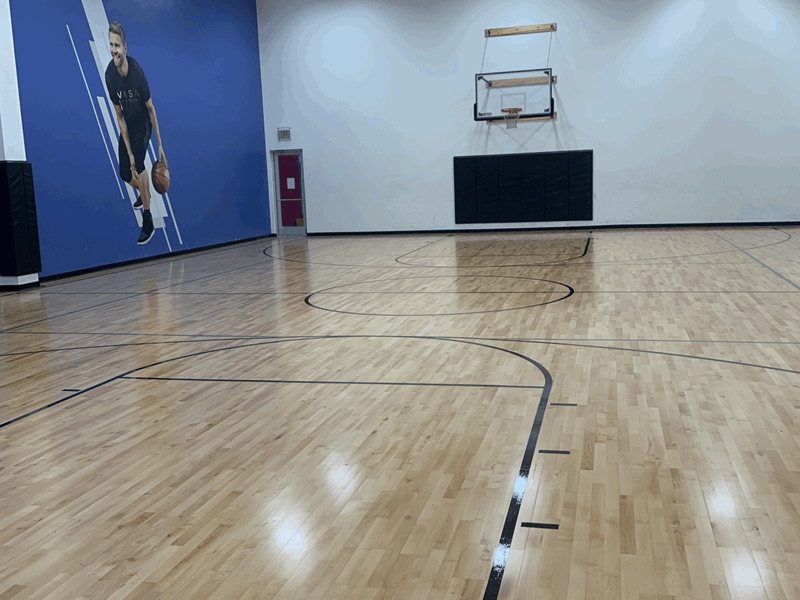
One of the most common questions that facility owners and managers ask when considering indoor sports wooden flooring is whether it is worth the cost. Wooden floors are undeniably more expensive than many alternative options, and in a world where budgets are always tight, it is important to understand the true cost of ownership. In this article, we will conduct a thorough cost analysis to help you determine whether indoor sports wooden flooring is a worthwhile investment.
The initial cost of a wooden sports floor is significantly higher than that of synthetic or concrete alternatives. A professional-grade solid wood sports floor can cost anywhere from moderate to very high per square meter, depending on the wood species, thickness, finish, and installation method. Engineered wood and finger-jointed options are somewhat less expensive, but they still cost more than synthetic floors.
However, the initial cost is only part of the story. When you consider the total cost of ownership over the lifetime of the floor, wooden flooring often comes out ahead. A well-maintained wooden sports floor can last for 30 to 50 years, while synthetic floors typically need to be replaced every five to ten years. Over a 30-year period, you may need to replace a synthetic floor three or four times, while the wooden floor only needs to be recoated every one to three years and possibly refinished once or twice.
Let's do a simple comparison. Assume a 1,000 square meter facility. A high-quality synthetic floor might cost a moderate amount per square meter and last seven years. Over 30 years, you would need to replace it approximately four times, for a total cost that could exceed the cost of a single wooden floor installation. The wooden floor, while more expensive upfront, would only require periodic recoating and perhaps one or two refinishing sessions over the same period.
Maintenance costs are another factor to consider. Wooden floors require regular sweeping, occasional mopping, and periodic recoating. These costs are relatively low and can be handled by in-house staff. Synthetic floors also require maintenance, but the costs can add up over time, especially if the floor needs to be repaired or replaced due to wear and tear.
The performance benefits of wooden flooring also have a financial impact. A floor that provides better shock absorption, ball rebound, and traction can reduce the incidence of injuries, which in turn reduces medical costs and lost playing time. For professional teams and organizations, the financial impact of an injury can be enormous, so investing in a floor that minimizes injury risk is a smart financial decision.
The aesthetic value of wooden flooring can also contribute to revenue. A beautiful wooden floor makes a facility more attractive to athletes, spectators, and sponsors. It creates a professional atmosphere that can increase ticket sales, attract more members, and enhance the reputation of the facility. Synthetic and concrete floors, on the other hand, can make a facility look cheap and unwelcoming.
Energy costs are another consideration. Wooden floors help to regulate temperature and humidity, which can reduce the load on HVAC systems. A facility with a wooden floor may spend less on heating and cooling than one with a concrete or synthetic floor, resulting in long-term energy savings.
The resale value of a facility with a wooden floor is also higher. When it comes time to sell or lease the property, a wooden sports floor is a valuable asset that can increase the property's market value. Synthetic floors, on the other hand, are seen as a liability, as they need to be replaced frequently and do not add to the property's value.
Finally, there is the intangible value of wooden flooring. The pride, motivation, and sense of professionalism that a beautiful wooden floor instills in athletes is difficult to quantify, but it is real. Athletes who train and compete on a wooden floor perform better, stay healthier, and are more likely to recommend the facility to others.
In conclusion, while the initial cost of indoor sports wooden flooring is higher than many alternatives, the long-term cost of ownership is often lower. When you factor in durability, maintenance, performance benefits, aesthetics, energy savings, resale value, and intangible benefits, wooden flooring is not just worth the investment, it is the smartest investment you can make for your facility.
Leave a Reply