

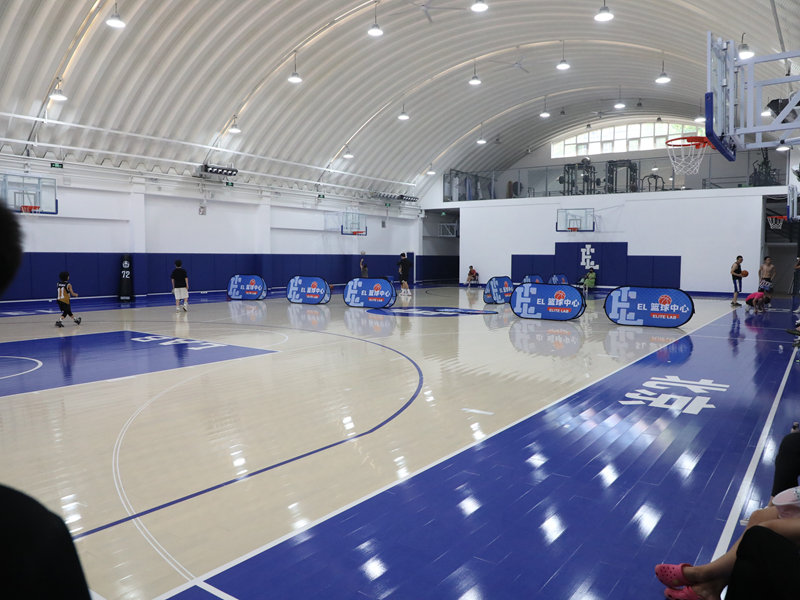
Shock absorption is one of the most important performance characteristics of any indoor sports floor, and it is a area where wooden flooring truly shines. The ability of a floor to absorb the impact of an athlete's foot strike can have a profound effect on performance, injury prevention, and long-term joint health. In this article, we will take a deep dive into the science of shock absorption in sports wooden flooring and explore its impact on athletic performance.
Shock absorption is defined as the percentage of impact force that a floor absorbs rather than returns to the athlete. For example, if a floor has a shock absorption rating of 53 percent, it means that 53 percent of the impact force is absorbed by the floor, and 47 percent is returned to the athlete's body. The higher the shock absorption percentage, the more protective the floor is for the athlete's joints and muscles.
The international standard for shock absorption in sports flooring is a minimum of 53 percent, as established by the European Committee for Standardization. This standard is based on extensive research into the relationship between floor performance and injury rates. Studies have shown that floors with shock absorption below 53 percent are associated with significantly higher rates of joint injuries, particularly in the knees and ankles.
The shock absorption of a wooden sports floor is determined by several factors, including the thickness of the floor, the type of wood, the construction method, and the shock absorption system installed beneath the floor. Thicker floors generally provide better shock absorption, as there is more material to absorb the impact. Hardwood species like maple and oak are denser and more resilient than softer woods, which also contributes to better shock absorption.
The shock absorption system, which is installed between the subfloor and the wooden panels, is the most critical component. There are several types of systems available, including rubber pads, foam pads, and spring-loaded systems. Rubber pads are the most common and provide consistent, reliable shock absorption. Foam pads are lighter and less expensive but may compress over time, reducing their effectiveness. Spring-loaded systems offer the best shock absorption but are the most expensive and complex to install.
The impact of shock absorption on athletic performance is multifaceted. First, better shock absorption reduces the fatigue that athletes experience during training and competition. When less impact force is returned to the body, the muscles and joints do not have to work as hard to absorb the shock, which means that athletes can maintain their performance level for longer periods. This is particularly important in sports that involve repeated jumping and landing, such as basketball and volleyball.
Second, better shock absorption allows for more explosive movements. When an athlete lands from a jump, the floor absorbs some of the impact, which means that the muscles do not have to decelerate the body as forcefully. This allows the athlete to rebound more quickly and with more power, which translates to faster sprint times, higher jumps, and quicker direction changes.
Third, better shock absorption reduces the risk of injury. Joint injuries are one of the most common types of injuries in indoor sports, and they are often caused by repetitive impact forces. A floor with good shock absorption reduces the cumulative impact on the joints, lowering the risk of stress fractures, tendonitis, and other overuse injuries. This is especially important for young athletes whose bones and joints are still developing.
The relationship between shock absorption and ball rebound is also worth noting. A floor with good shock absorption tends to have better ball rebound, as the energy from the ball's impact is efficiently returned rather than absorbed. This creates a more consistent and predictable playing surface, which is essential for sports like basketball and handball.
It is important to note that there is a balance to be struck. Too much shock absorption can actually be detrimental to performance, as it can make the floor feel "dead" and reduce the energy return that athletes need for explosive movements. The ideal shock absorption level is one that provides adequate protection without compromising performance, which is why the 53 percent standard exists.
In conclusion, shock absorption is a critical performance characteristic of indoor sports wooden flooring that has a direct and measurable impact on athletic performance, injury prevention, and long-term health. By investing in a floor with the right shock absorption system, facility owners can provide their athletes with a safer, more comfortable, and more effective playing surface.
Leave a Reply