

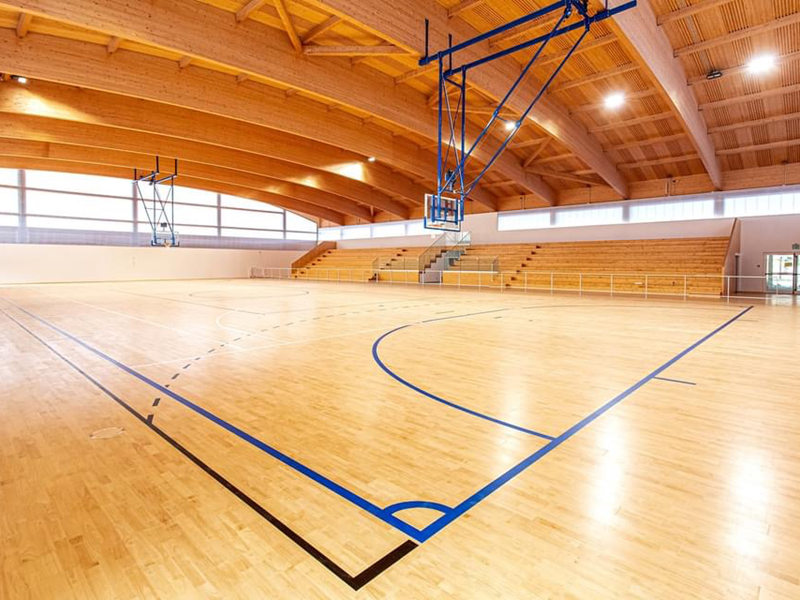
Indoor sports wood flooring has become the cornerstone of modern athletic facilities around the world. From professional basketball arenas to community recreation centers, this type of flooring delivers a combination of performance, durability, and aesthetics that few other materials can match. If you are involved in the planning, construction, or renovation of any indoor sports facility, understanding the fundamentals of sports wood flooring is not optional — it is essential.
At its core, indoor sports wood flooring is a specialized engineered surface designed specifically for athletic use. Unlike residential hardwood or commercial laminate, sports wood flooring is built to withstand the extreme demands of competitive play. It must absorb impact, provide consistent ball bounce, protect athletes from injury, and maintain its structural integrity for years — often decades — under heavy use.
The construction of sports wood flooring typically involves multiple layers. The top layer, known as the wearing surface, is usually made from hard maple or oak. These species are chosen for their density, hardness, and grain consistency. Hard maple, in particular, is the most widely used species for basketball courts because of its excellent shock absorption and uniform ball response. Beneath the wearing surface lies a subfloor system that may include plywood, foam pads, or rubber underlayment. This multi-layer construction is what gives sports wood flooring its unique performance characteristics.
One of the most important aspects of sports wood flooring is its finish. The surface is coated with a specialized sports finish — usually a water-based polyurethane or UV-cured coating — that provides traction, reduces glare, and protects the wood from moisture and wear. The finish must be carefully calibrated. Too much traction can slow players down and increase the risk of joint injuries. Too little traction can cause slips and falls. Finding the right balance is one of the most technical aspects of sports flooring design.
Beyond performance, indoor sports wood flooring offers significant aesthetic advantages. The natural warmth and beauty of wood create an inviting atmosphere that enhances the overall experience for both athletes and spectators. Whether the design calls for a classic light maple look or a bold multi-colored court pattern, wood flooring provides unmatched versatility in visual design.
Maintenance is another area where sports wood flooring excels. With proper care, including regular sweeping, periodic refinishing, and moisture management, a well-installed sports wood floor can last 20 to 30 years or more. This longevity makes it one of the most cost-effective flooring options over the long term, despite a higher initial investment.
In summary, indoor sports wood flooring is not just a surface — it is a system. From the species selection to the subfloor engineering to the finish application, every component is designed with athletic performance in mind. Whether you are building a new facility or upgrading an existing one, sports wood flooring deserves serious consideration as your primary flooring choice.
Leave a Reply