

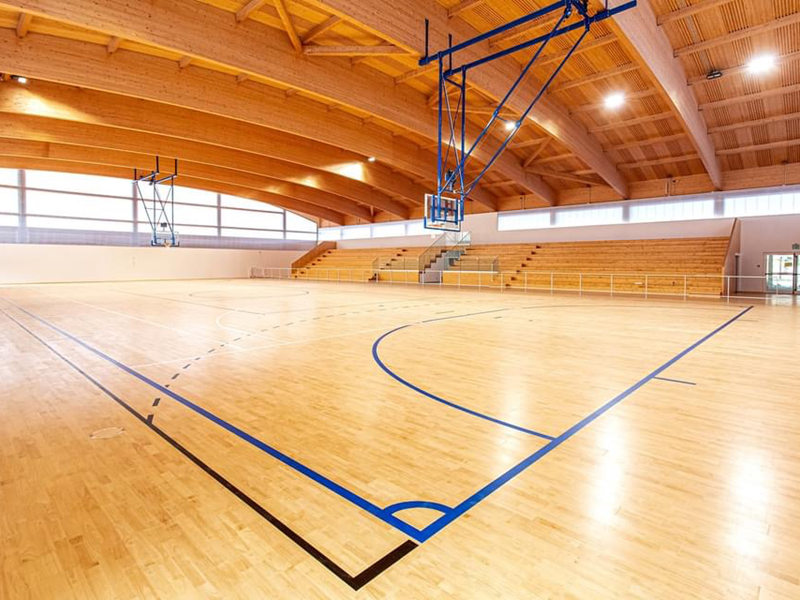
When it comes to building a basketball court that can be assembled, disassembled, and relocated with relative ease, the flooring is the single most important decision you will make. The surface you choose determines everything from player safety to ball bounce consistency, from installation speed to long-term durability. Portable basketball court wood flooring has evolved dramatically over the past two decades, and today's options are far superior to what was available even ten years ago. This guide walks you through every factor you need to consider before making your purchase.
The first thing to understand is that not all portable wood flooring is created equal. The term "portable" can mean different things to different manufacturers. Some systems are truly modular, meaning each panel can be lifted and moved independently. Others are semi-portable, where the entire floor comes off in one piece but still requires significant labor to reinstall. The distinction matters because it affects not only your upfront cost but also your ongoing maintenance and event logistics.
Thickness is one of the most discussed specifications in portable court flooring. Most portable systems range from 18mm to 22mm in thickness. Thicker panels generally provide better shock absorption and a more authentic feel underfoot, but they also weigh more, which can complicate transport and setup. For recreational use, 18mm is often sufficient. For competitive play or training environments where athletes are logging serious hours, 20mm to 22mm is the recommended range.
Surface finish is another critical consideration. There are three main types: matte, semi-gloss, and high-gloss. Matte finishes reduce glare under bright lights, which is important for indoor facilities. Semi-gloss offers a balance between aesthetics and functionality. High-gloss looks the most polished but can create visual distractions for players. Most portable systems use a matte or semi-gloss finish for practical reasons.
The subfloor structure deserves just as much attention as the visible surface. High-quality portable flooring uses a multi-layer construction, typically consisting of a top wear layer, a core layer made from hardwood or engineered wood, and a bottom stabilizing layer. The core layer is where the magic happens. Hardwood cores like maple or oak provide the best performance, while engineered alternatives can offer comparable results at a lower price point.
Connection systems between panels are what make portable flooring truly portable. The most common systems use interlocking edges with tongue-and-groove joints, sometimes reinforced with metal clips or adhesive strips. The quality of these connections directly impacts how flat the finished surface is and how well the floor holds up over repeated assembly and disassembly cycles.
Moisture resistance is non-negotiable, especially if your portable court will be used outdoors or in environments with high humidity. Look for flooring with a moisture-resistant coating or treatment on all six sides of each panel. Without this, the wood can warp, swell, or delaminate within a single season.
Finally, consider the warranty. Reputable portable flooring systems come with warranties ranging from five to ten years. The warranty terms will tell you a lot about the manufacturer's confidence in their product. Pay attention to what is covered: surface wear, structural integrity, moisture damage, and connection failure.
Choosing the right portable basketball court wood flooring is not about finding the cheapest option. It is about finding the best value for your specific use case. Take the time to evaluate each factor, ask for samples, and if possible, test the flooring before committing to a full purchase.
Leave a Reply