

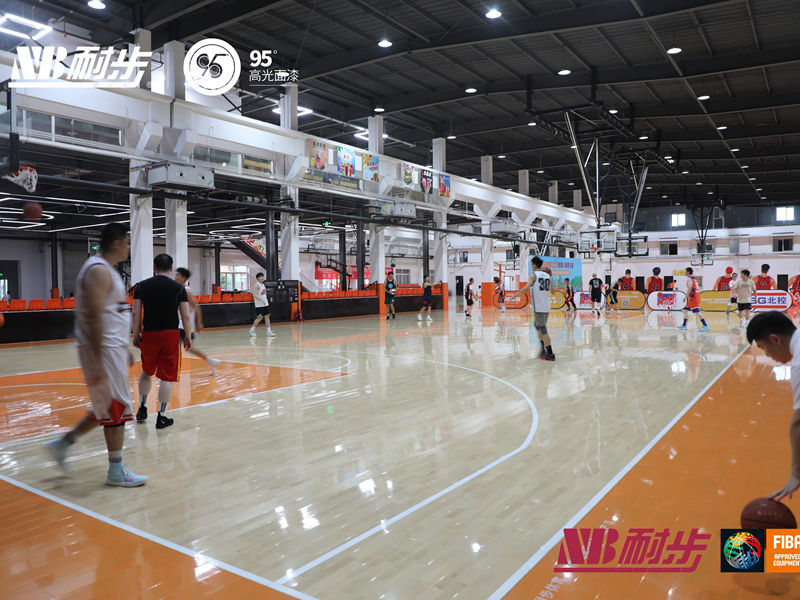
When it comes to gymnasium flooring, the choice of wood species is one of the most important decisions you'll make. It affects everything from performance and durability to aesthetics and cost. While there are many wood species available, three dominate the gymnasium flooring market: maple, oak, and birch. Each has its own strengths, weaknesses, and ideal applications.
In this article, we'll do a deep dive comparison of these three species, examining their physical properties, performance characteristics, cost differences, and best-use scenarios. By the end, you'll have a clear understanding of which wood is right for your facility.
Hard Maple: The Undisputed Champion
Hard maple (Acer saccharum), also known as sugar maple or rock maple, is the gold standard for gymnasium flooring. It's used in the NBA, NCAA, FIBA, and virtually every professional basketball arena in the world. But what makes maple so special?
Hardness: Maple scores 1450 on the Janka hardness scale, making it one of the hardest domestic woods available. This extreme hardness means the floor resists dents, scratches, and wear far better than softer species. In a high-traffic gymnasium where hundreds of athletes are running, jumping, and sliding every day, this hardness is essential.
Grain Structure: Maple has a very tight, uniform grain with minimal pores. This tight grain is what gives maple its legendary smooth finish. When sanded and finished properly, maple floors feel almost glass-like underfoot—smooth, consistent, and predictable. This consistency is critical for ball bounce and player traction.
Color: Maple has a light, creamy white to pale yellow color that provides excellent contrast with court markings, ball colors, and player uniforms. The light color also makes the space feel brighter and more open, which is a significant advantage in indoor facilities.
Stability: Maple has good dimensional stability, meaning it doesn't expand and contract as dramatically as some other species when humidity changes. This reduces the risk of cupping, crowning, and gapping over time.
Longevity: A properly maintained maple gym floor can last 40-50 years and can be sanded and refinished 6-10 times during its lifespan. Each refinishing essentially gives you a brand-new floor, making maple an incredibly cost-effective long-term investment.
Downsides: Maple is the most expensive of the three species. It's also become increasingly difficult to source in large quantities due to overharvesting and the spread of the Asian longhorned beetle, which threatens maple populations in some regions.
Red Oak: The Budget-Friendly Workhorse
Red oak (Quercus rubra) has been a staple of gymnasium flooring for decades, particularly in school and recreational facilities where budgets are tight.
Hardness: Red oak scores 1290 on the Janka scale—about 11% softer than maple. While still a hard wood, it will show wear faster than maple in high-traffic applications. Dents from dropped equipment and scuffs from shoe soles will appear sooner.
Grain Structure: Oak has a more open, pronounced grain pattern than maple. This gives oak floors a more rustic, traditional look that many people find attractive. However, the open grain can trap dirt and moisture, making oak slightly more difficult to keep clean and slightly more susceptible to moisture damage.
Color: Red oak has a warm, pinkish-brown color that darkens with age and exposure to light. Many people love this warm tone, but it provides less contrast than maple for court markings and can make the space feel slightly darker.
Availability: Oak is one of the most abundant hardwoods in North America, making it widely available and relatively affordable. This abundance also makes it a more sustainable choice in terms of supply.
Longevity: Red oak floors typically last 20-30 years with proper maintenance and can be refinished 3-5 times. This is significantly less than maple, but still respectable for a mid-range flooring option.
Best For: School gymnasiums, community centers, churches, and any facility where budget is a primary concern but you still want real hardwood rather than synthetic flooring.
White Oak: The Premium Alternative
White oak (Quercus alba) is often overlooked in gymnasium flooring discussions, but it deserves serious consideration as a middle-ground option between maple and red oak.
Hardness: White oak scores 1360 on the Janka scale—harder than red oak but still softer than maple. It offers a good balance of durability and cost.
Grain Structure: White oak has a tighter grain than red oak (though not as tight as maple) and contains tyloses—cellular structures that make the wood more water-resistant. This is a significant advantage in environments where moisture might be a concern.
Color: White oak has a lighter, more neutral tone than red oak, closer to maple in appearance. It ages to a beautiful silver-gray patina if left unfinished, though gymnasium floors are always finished.
Moisture Resistance: The tyloses in white oak make it significantly more moisture-resistant than red oak. This makes white oak a better choice for basements, ground-level installations, or facilities in humid climates.
Best For: Facilities in humid climates, basement gymnasiums, and any application where moisture resistance is important but maple's premium price isn't justified.
Birch: The Rising Star
Birch (Betula spp.) has been gaining significant market share in recent years, particularly European birch (Betula pendula), which offers many of maple's benefits at a lower price point.
Hardness: Yellow birch scores 1260-1470 on the Janka scale, overlapping with maple. This makes it nearly as hard as maple and significantly harder than oak.
Appearance: Birch looks remarkably similar to maple—light color, tight grain, smooth finish. Many people can't tell the difference between birch and maple floors once they're installed and finished.
Sustainability: European birch grows much faster than North American hardwoods and is abundant in Scandinavia and Eastern Europe. This makes it a more sustainable option with a lower environmental impact.
Cost: Birch is typically 15-30% less expensive than North American maple, making it an attractive alternative for budget-conscious buyers who want maple-like performance.
Availability: The main challenge with birch is availability. European birch must be imported, which adds shipping costs and lead times. Domestic birch (yellow birch) is available but in more limited quantities.
Best For: Facilities that want maple-like performance and appearance at a lower cost, and that are comfortable with imported materials.
Head-to-Head Comparison Table
| Feature | Hard Maple | Red Oak | White Oak | Birch |
|---|---|---|---|---|
| Janka Hardness | 1450 | 1290 | 1360 | 1260-1470 |
| Grain Tightness | Very Tight | Open | Medium | Tight |
| Color | Light/Creamy | Pinkish-Brown | Light Tan | Light/Creamy |
| Moisture Resistance | Good | Fair | Excellent | Good |
| Expected Lifespan | 40-50 years | 20-30 years | 25-35 years | 30-40 years |
| Refinish Cycles | 6-10 | 3-5 | 4-6 | 5-8 |
| Cost (per sq ft) | $12-20 | $8-14 | $10-16 | $10-17 |
| Sustainability | Moderate | Good | Good | Excellent (European) |
| Best Application | Pro/College | School/Rec | Humid climates | Budget Pro |
Special Considerations
Multi-Sport Facilities: If your gymnasium hosts multiple sports (basketball, volleyball, badminton, etc.), maple is generally the best all-around choice. Its consistent ball bounce and surface friction work well for most indoor sports.
Outdoor/Covered Courts: For outdoor or semi-outdoor facilities, white oak or treated birch may be better choices due to their superior moisture resistance.
Aesthetic Priorities: If the look of the floor is as important as performance, consider wider plank maple (3-4 inch planks) for a luxurious, professional appearance, or rustic oak for a warm, traditional gym feel.
Allergen Concerns: All hardwood species can cause dust during sanding, but maple produces the finest dust, which can be more irritating. Birch and oak produce slightly coarser dust. If allergies are a concern, consider pre-finished planks that don't require on-site sanding.
The Verdict
For most gymnasium applications, hard maple remains the best overall choice. Its unmatched hardness, smooth grain, light color, and proven track record in professional sports make it the clear winner for performance-critical facilities.
However, red oak is an excellent budget option for school and recreational facilities where the floor won't see professional-level use. And birch is rapidly emerging as the best value proposition for facilities that want maple-like quality without the maple price tag.
Ultimately, the best wood species for your gymnasium depends on your specific needs, budget, climate, and aesthetic preferences. Consult with a reputable gymnasium flooring supplier who can help you evaluate your options and make the right choice.
Leave a Reply