

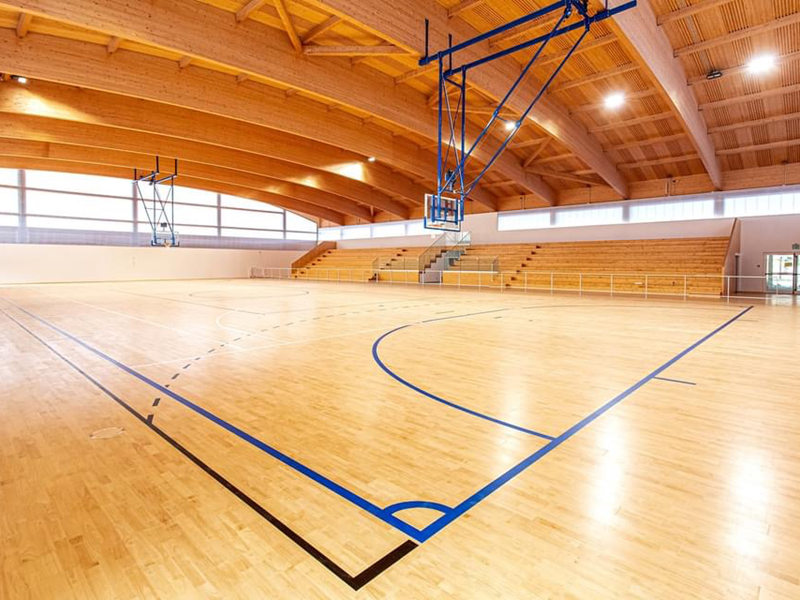
Gymnasium wooden flooring has long been considered the gold standard for sports surfaces across the world. From professional basketball arenas to school gymnasiums, from Olympic training facilities to community recreation centers, hardwood floors dominate the sports flooring industry. But what exactly makes gymnasium wooden flooring so special? Why do architects, facility managers, and athletes consistently choose wood over synthetic alternatives? And what factors should you consider before investing in a wooden gym floor?
This comprehensive guide will walk you through every aspect of gymnasium wooden flooring, from its history and composition to installation, maintenance, cost, and the latest technological innovations shaping the industry.
A Brief History of Gymnasium Flooring
The use of wood in gymnasiums dates back to the late 19th century when the first indoor sports facilities were built. Early gymnasiums used simple wooden planks laid directly over subfloors, which provided decent performance but lacked the sophisticated engineering we see today. As sports evolved and athletic performance became more demanding, so did the requirements for flooring surfaces.
The modern gymnasium wooden floor as we know it began to take shape in the 1950s and 1960s, particularly in North America, where basketball was becoming a professional sport. The NBA and NCAA demanded surfaces that could reduce injuries, provide consistent ball bounce, and withstand the intense physical demands of professional athletes. This led to the development of the floating floor system—a multi-layered construction that separates the playing surface from the building's structural subfloor.
Today, gymnasium wooden flooring is a highly engineered product that combines centuries of woodworking tradition with cutting-edge materials science.
Types of Wood Used in Gymnasium Flooring
Not all wood is created equal when it comes to gymnasium applications. The most commonly used species include:
Maple (Hard Maple / Acer saccharum)
Maple is by far the most popular choice for gymnasium flooring worldwide. North American hard maple, particularly sugar maple, is prized for its extreme hardness (1450 on the Janka hardness scale), tight grain structure, and light color that provides excellent visibility for both players and spectators. Maple floors typically last 30-50 years with proper maintenance and can be refinished multiple times throughout their lifespan.
Oak (Red Oak and White Oak)
Oak is another popular choice, though less common than maple in professional settings. Red oak is softer than maple (1290 Janka) but more affordable. White oak is harder and more durable but has a more pronounced grain pattern. Oak floors are commonly found in school gymnasiums and community centers where budget is a consideration.
Birch (Yellow Birch / Betula alleghaniensis)
Birch is similar to maple in hardness (1260-1470 Janka depending on the species) and appearance, making it an excellent alternative. European birch, in particular, has gained popularity in recent years as a sustainable alternative to North American hardwoods.
Ash (White Ash / Fraxinus americana)
Ash was once the dominant species for gymnasium floors before maple took over in the 1970s. It's still used in some applications, particularly in Europe, and is known for its excellent shock absorption properties. However, the emerald ash borer infestation has significantly reduced ash availability in North America.
Bamboo
While technically a grass rather than a wood, bamboo has emerged as an increasingly popular option for gymnasium flooring. Strand-woven bamboo is extremely hard (harder than many hardwoods) and offers a unique aesthetic. It's also highly sustainable, as bamboo grows much faster than traditional hardwood trees.
The Anatomy of a Gymnasium Wooden Floor
A modern gymnasium wooden floor is not simply a layer of hardwood nailed to a subfloor. It's a sophisticated, multi-layered system designed to optimize performance, durability, and comfort. Here's a typical cross-section from top to bottom:
1. Wear Layer (Top Layer)
This is the visible surface that athletes play on. It consists of solid hardwood planks, typically 3/4 inch (19mm) thick for professional facilities or 1/2 inch (13mm) for recreational use. The planks are usually 2 to 2.25 inches wide and come in various lengths (typically 3-7 feet). The wear layer is sanded and finished with a polyurethane or UV-cured coating.
2. Vapor Barrier
A thin layer of plastic or foil that prevents moisture from the subfloor from migrating up into the wood. Moisture is the enemy of wood flooring, causing warping, cupping, and mold growth.
3. Shock Pad / Cushion Layer
This is what separates a gymnasium floor from a regular hardwood floor. The shock pad is typically made of rubber, foam, or a combination of both, and it's installed between the subfloor and the wood. It provides shock absorption (reducing impact forces on athletes' joints), vibration dampening, and sound insulation. Common thicknesses range from 3/8 inch to 1 inch depending on the application.
4. Subfloor / Structural Layer
This is the building's actual floor—usually plywood or concrete. The subfloor must be level, clean, dry, and structurally sound. In many cases, a new layer of plywood (typically 3/4 inch CDX or better) is installed specifically to serve as the base for the floating floor system.
5. Adhesive and Fasteners
Various adhesives, clips, and screws hold the system together. The choice of adhesive is critical—it must be flexible enough to allow the floor to move with temperature and humidity changes while being strong enough to hold everything in place.
Floating vs. Glue-Down Systems
There are two primary installation methods for gymnasium wooden flooring:
Floating Floor System
The most common method for professional and high-performance facilities. The floor is not permanently attached to the subfloor; instead, it "floats" on top of the shock pad, held in place by its own weight and the friction of the adhesive. This allows the floor to expand and contract naturally with changes in temperature and humidity. Floating floors are also easier to repair—individual planks can be replaced without disturbing the entire system.
Glue-Down System
The wood is permanently bonded to the subfloor using a strong adhesive. This method is more common in residential settings and some recreational facilities. Glue-down floors are generally less expensive to install but are more difficult to repair and can be more susceptible to moisture damage if the adhesive fails.
Performance Characteristics: What Makes a Great Gym Floor?
The Sport Court Technical Manual and other industry standards define several key performance metrics for gymnasium flooring:
Shock Absorption
Measured as a percentage, shock absorption indicates how much impact force the floor reduces. A higher percentage means less force is transmitted to the athlete's body. The ideal range for basketball is 35-50% shock absorption. Too little shock absorption increases injury risk; too much can make the floor feel "mushy" and affect performance.
Ball Bounce
The ball bounce ratio compares the bounce height of a ball on the floor to the bounce height on a concrete surface. A good gymnasium floor should have a ball bounce of 90-100% (meaning the ball bounces almost as high as it would on concrete). This is critical for sports like basketball, where consistent ball behavior is essential.
Vertical Deformation
This measures how much the floor compresses under load. A good gym floor should compress slightly under an athlete's weight (providing comfort) but not so much that it feels unstable. The ideal range is 0.6-1.0mm.
Rolling Load
This measures how easily a wheeled object (like a gym cart or wheelchair) moves across the floor. Lower rolling load values mean easier movement. The ideal is less than 150 Newtons.
Surface Friction
The coefficient of friction determines how grippy the floor is. Too slippery and athletes can't make quick cuts or stops; too grippy and they can't slide or pivot. The ideal range is 0.4-0.6.
Surface Evenness
The floor must be extremely flat and smooth. Industry standards typically require no more than 1/8 inch deviation over 10 feet. Any bumps, ridges, or gaps can cause injuries and affect ball behavior.
Cost Considerations
Gymnasium wooden flooring is a significant investment. Here's a rough breakdown of costs (as of 2024, US market):
- Material costs only: $8-15 per square foot for premium maple
- Material + installation: $12-22 per square foot
- Total project cost (including subfloor prep, shock pad, labor): $15-30+ per square foot
A standard high school basketball gym (approximately 5,000 sq ft of playing surface) could cost 75,000−150,000 for the flooring alone. Professional NBA arenas spend millions on their floors.
Factors that affect cost:
- Wood species (maple is most expensive; pine is cheapest)
- Plank width (wider planks cost more)
- Thickness of wear layer
- Quality of finish
- Complexity of installation (patterns, logos, multi-sport configurations)
- Geographic location (labor costs vary significantly)
Maintenance and Longevity
One of the greatest advantages of gymnasium wooden flooring is its longevity. With proper maintenance, a maple gym floor can last 40-50 years or more. Key maintenance practices include:
- Daily dust mopping and periodic wet mopping with pH-neutral cleaners
- Regular recoating (every 3-5 years for polyurethane; every 7-10 years for UV-cured finishes)
- Prompt cleanup of spills to prevent moisture damage
- Use of protective pads under heavy equipment
- Periodic sanding and refinishing (every 10-15 years for traditional finishes)
- Maintaining proper indoor humidity (40-60% relative humidity)
Sustainability and Environmental Impact
Wood is a renewable resource, and responsibly managed forests can provide a continuous supply of hardwood. Many gymnasium flooring manufacturers now use FSC (Forest Stewardship Council) certified wood, ensuring that the timber comes from sustainably managed forests.
However, the environmental impact of gymnasium flooring isn't just about the wood. The adhesives, finishes, shock pads, and transportation all contribute to the carbon footprint. Some manufacturers are now offering low-VOC adhesives, water-based finishes, and recycled rubber shock pads to reduce environmental impact.
Choosing the Right Floor for Your Facility
When selecting gymnasium wooden flooring, consider:
- Sport type: Basketball, volleyball, and gymnastics require different performance characteristics. Multi-sport facilities need a compromise that works for all sports.
- Usage level: A professional arena with daily use has different needs than a school gym used a few times a week.
- Budget: There are options at every price point, from budget-friendly oak to premium maple with custom finishes.
- Aesthetics: Wood color, plank width, and finish all affect the look and feel of the space.
- Climate: Facilities in humid or dry climates need different wood species, finishes, and humidity control strategies.
Conclusion
Gymnasium wooden flooring remains the premier choice for sports surfaces for good reason. It offers unmatched performance, durability, aesthetics, and athlete safety. While the upfront cost is higher than synthetic alternatives, the long lifespan, low maintenance, and ability to refinish multiple times make it a cost-effective investment over the life of the facility.
Whether you're building a new gymnasium or renovating an existing one, understanding the science, engineering, and artistry behind gymnasium wooden flooring will help you make the best decision for your facility, your athletes, and your budget.
Leave a Reply