

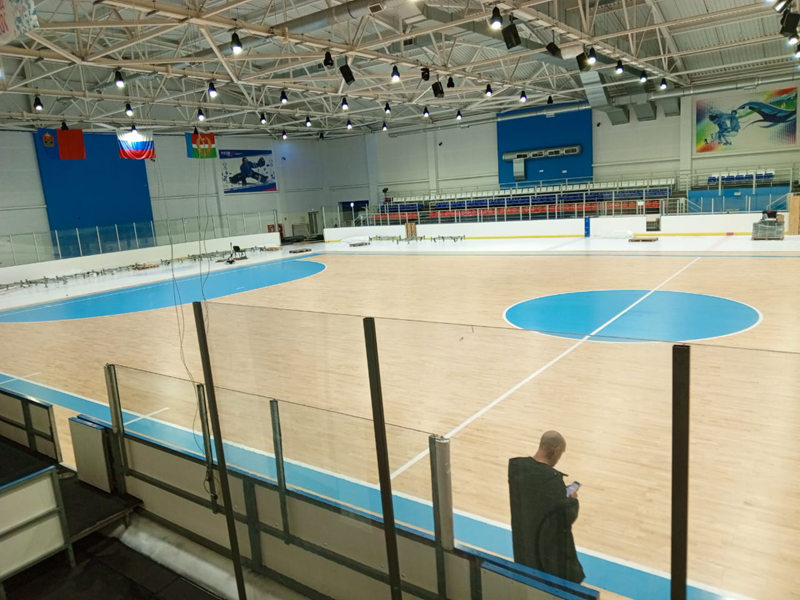
Owning an indoor sports wooden floor is a long-term investment, and like any investment, it requires proper care and maintenance to protect its value and ensure optimal performance. A well-maintained sports wooden floor can last for 30 to 50 years or even longer, while a neglected floor can deteriorate rapidly and become a safety hazard. In this article, we will explore the best practices for maintaining and caring for indoor sports wooden flooring.
Daily maintenance is the foundation of a good care routine. The floor should be swept or vacuumed daily to remove dust, dirt, and debris that can accumulate on the surface. A soft-bristle broom or a microfiber mop is recommended for daily cleaning. Avoid using a wet mop on a daily basis, as excessive moisture can damage the finish and cause the wood to swell. For deeper cleaning, a slightly damp mop can be used, but the floor should be dried immediately afterward.
Spills should be cleaned up as soon as possible. Liquids that are left on the floor for an extended period can seep into the wood and cause staining or warping. If a spill occurs, blot it up with a clean cloth rather than wiping, as wiping can spread the liquid and push it deeper into the wood.
The finish on the floor is the first line of defense against wear and damage. Over time, the finish will naturally wear down due to foot traffic, shoe abrasion, and cleaning. When the finish becomes dull or starts to show signs of wear, it should be recoated. The frequency of recoating depends on the level of use, but for a professional sports facility, it is typically done every one to three years. The recoating process involves sanding the floor lightly to remove the old finish, cleaning the surface, and applying new coats of lacquer or oil.
Deep cleaning should be performed on a regular basis, typically every few months, depending on the level of use. Deep cleaning involves using specialized sports floor cleaners that are designed to remove built-up dirt, sweat, and grime without damaging the finish. These cleaners are typically pH-neutral and free of harsh chemicals that could strip the finish or discolor the wood.
Humidity control is one of the most important aspects of sports wooden floor maintenance. Wood is a hygroscopic material, which means it absorbs and releases moisture in response to changes in the surrounding environment. If the humidity in the facility is too high, the wood will absorb moisture and expand, causing the floor to cup or buckle. If the humidity is too low, the wood will lose moisture and shrink, causing gaps between the panels. The ideal relative humidity for a sports wooden floor is between 40 and 60 percent. This can be maintained using humidifiers, dehumidifiers, or an HVAC system with precise humidity control.
Temperature control is equally important. The ideal temperature for a sports wooden floor is between 18 and 22 degrees Celsius. Extreme temperatures can cause the wood to expand or contract, leading to warping and other structural problems.
Footwear is another factor that affects the longevity of the floor. Athletes should wear non-marking, flat-soled shoes that are designed for indoor sports. Shoes with heels, cleats, or hard soles can damage the finish and leave marks on the floor. Facility managers should enforce a strict footwear policy to protect the floor.
Furniture and equipment should be moved carefully to avoid scratching or denting the floor. Use protective pads or dollies when moving heavy equipment, and never drag furniture across the floor.
Periodic inspections should be conducted to identify any problems early. Look for signs of wear, scratches, dents, water damage, or loose panels. Addressing these issues early can prevent them from becoming major problems that require costly repairs.
Refinishing, also known as sanding and recoating, is the most comprehensive form of maintenance. When the floor has been in use for many years and the finish is worn beyond recoating, a full refinishing may be necessary. This involves sanding down the entire floor to remove the old finish and any surface damage, then applying new finish. A full refinishing can restore the floor to like-new condition and extend its life by many years.
In conclusion, proper maintenance and care are essential for preserving the performance, safety, and appearance of indoor sports wooden flooring. By following a regular maintenance routine and addressing issues promptly, facility managers can ensure that their floor provides many years of reliable service.
Leave a Reply