

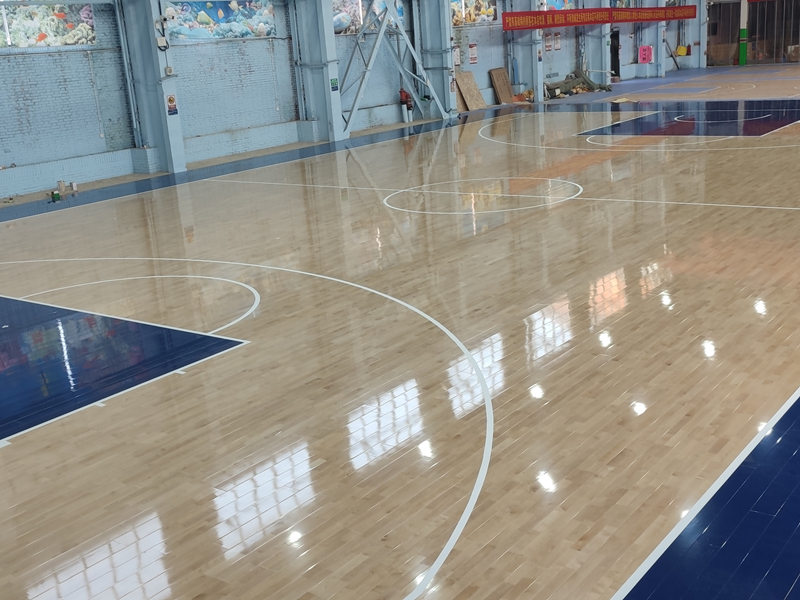
When planning a new indoor sports facility or renovating an existing one, one of the biggest decisions you will face is choosing the right flooring material. Indoor sports wooden flooring has been the traditional choice for decades, but synthetic alternatives — including vinyl, rubber, polyurethane, and modular tile systems — have gained significant market share in recent years. Each option has its strengths and weaknesses, and the right choice depends on your specific needs, budget, and priorities.
Let us start with performance, which is arguably the most important factor for any sports floor. Indoor sports wooden flooring consistently outperforms synthetic alternatives in terms of ball bounce, shock absorption, and traction. The natural elasticity of wood, combined with engineered shock-absorbing layers, provides a playing surface that is both responsive and forgiving. Synthetic floors, particularly vinyl and rubber, can offer good shock absorption, but they often fall short on ball bounce consistency. The surface of synthetic floors can also become too slippery when wet or too sticky when dry, whereas wood maintains a more consistent level of traction.
In terms of durability, indoor sports wooden flooring has a clear advantage. A properly maintained sports wood floor can last 30 to 50 years, while most synthetic floors have a lifespan of 10 to 20 years. Wood is a renewable resource that can be sanded and refinished multiple times, effectively resetting its lifespan. Synthetic floors, once worn out, must be completely replaced, which is both expensive and wasteful.
Aesthetics is another area where indoor sports wooden flooring excels. There is simply no substitute for the warm, natural beauty of real hardwood. The grain patterns, the rich colors, and the lustrous finish of a sports wood floor create an atmosphere that is both professional and inviting. Synthetic floors have improved significantly in recent years, with many products now offering realistic wood-grain patterns, but they still lack the depth and authenticity of real wood.
Cost is where synthetic alternatives often have an edge. The initial installation cost of indoor sports wooden flooring is typically 30% to 50% higher than that of synthetic alternatives. However, when you factor in the longer lifespan and lower long-term maintenance costs of wood, the total cost of ownership over 20 to 30 years is often comparable or even lower for wood. Synthetic floors may seem cheaper upfront, but the need for periodic replacement can make them more expensive in the long run.
Environmental impact is an increasingly important consideration. Indoor sports wooden flooring is made from a natural, renewable resource. The wood used in sports floors typically comes from sustainably managed forests, and the finish coatings are now available in low-VOC (volatile organic compound) formulations. Synthetic floors, on the other hand, are made from petroleum-based products that are not biodegradable and can release harmful chemicals during manufacturing and disposal.
Safety is a critical factor that should not be overlooked. Indoor sports wooden flooring provides excellent traction, which reduces the risk of slips and falls. The shock-absorbing properties of wood also help to reduce the impact on athletes' joints, lowering the risk of overuse injuries. Some synthetic floors, particularly those with very smooth surfaces, can be slippery, increasing the risk of injury.
Noise is another consideration. Indoor sports wooden flooring tends to produce more noise than synthetic alternatives, particularly when athletes are running or making quick directional changes. However, this can be mitigated through the use of proper underlayment and sub-floor construction. Some athletes actually prefer the sound of wood, as it provides auditory feedback that helps them gauge their movement.
In conclusion, while synthetic alternatives have their place in the market — particularly for recreational facilities with limited budgets — indoor sports wooden flooring remains the superior choice for most applications. Its unmatched performance, durability, aesthetics, and environmental credentials make it the best investment for any serious sports facility.
Leave a Reply