

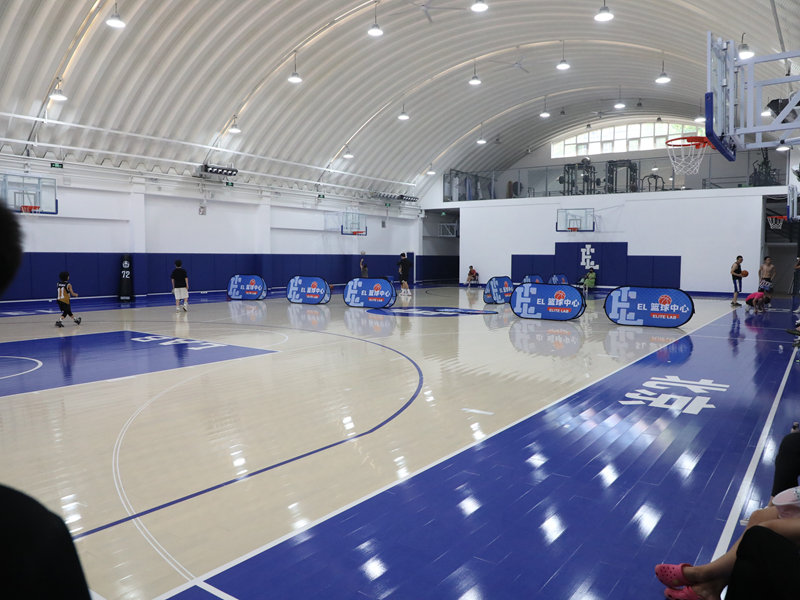
Introduction: A Different Game, Different Floor
Volleyball might seem similar to basketball on the surface — both are court sports played on hardwood — but the performance requirements are subtly and significantly different. Volleyball players dive, slide, jump, and land differently than basketball players. The ball behaves differently. The shoe-floor interaction is different. And these differences demand a specifically optimized flooring system.
This article focuses exclusively on indoor volleyball court wooden flooring — the specifications, the subfloor design, the finish requirements, and the maintenance protocols that make a volleyball floor truly excellent.
How Volleyball Differs from Basketball (Floor-Wise)
| Parameter | Basketball | Volleyball | Why It Matters |
|---|---|---|---|
| Primary movement | Running, cutting, jumping | Lateral sliding, diving, jumping | Volleyball has more slide-and-stop actions |
| Jump height | Moderate (rebound jumping) | High (spike/block jumping) | Higher impact forces on landing |
| Floor contact | Foot plant (brief) | Slide (prolonged) | More friction needed for sliding control |
| Ball weight | 600-650g | 260-280g | Lighter ball = more affected by surface texture |
| Shoe type | High-top, gum rubber sole | Low-top, herringbone/gum sole | Different friction profile |
| Recommended SA | 35-53% | 35-50% | Similar, but volleyball benefits from upper range |
| Recommended COF | 0.4-0.6 | 0.5-0.7 | Volleyball needs MORE friction |
The key takeaway: volleyball requires higher surface friction than basketball. Players need to be able to slide into position and stop quickly without slipping. But they also need enough shock absorption to protect their knees and ankles from the high-impact landings involved in spiking and blocking.
FIVB Requirements
The Fédération Internationale de Volleyball (FIV heavily. Sweat on a wood floor can:
- Make the surface slippery (temporary)
- Cause finish deterioration over time (salt and acid in sweat)
- Create discoloration
Solutions:
- Ensure HVAC maintains 40-60% RH (prevents excessive sweating and keeps wood stable)
- Wipe down the court during breaks in play
- Use a sports floor cleaner that neutralizes sweat salts
Cost Estimates for Volleyball Courts
| Level | Cost per m² | Total (18×9m court + free zone) |
|---|---|---|
| Community/Recreation | $70-100 | $15,000-25,000 |
| School/Collegiate | $100-150 | $25,000-45,000 |
| Professional/FIVB | $130-200 | $40,000-70,000 |
Leave a Reply