

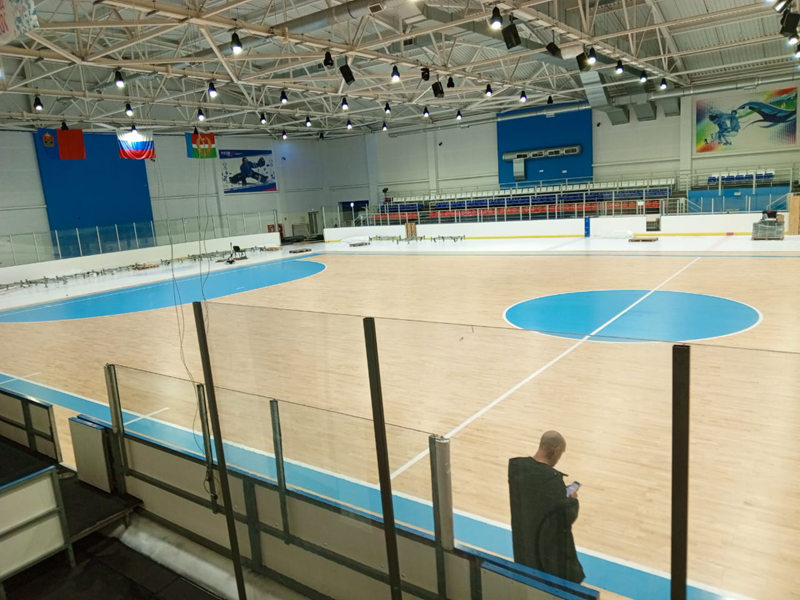
A hardwood basketball court is a long-term investment, and proper maintenance is the key to extending its lifespan. Neglect can turn a beautiful, high-performing floor into a dull, dangerous surface in just a few years.
Daily maintenance is straightforward but essential. The floor should be swept or dust-mopped every day to remove dirt, dust, and debris that act as abrasives against the finish. A microfiber mop with a neutral pH cleaner is ideal for wet mopping. Harsh chemicals, ammonia-based cleaners, and excessive water must be avoided at all costs, as they can damage the finish and seep into the wood.
Weekly maintenance should include a more thorough cleaning with a product specifically designed for sport floors. These cleaners are formulated to remove shoe marks, body oils, and light scuffs without stripping the finish. After cleaning, the floor should be inspected for any signs of damage, including scratches, dents, or areas where the finish has worn thin.
Monthly inspections should focus on the condition of the finish itself. If you notice that the floor is becoming too slippery, it may need a recoating of finish rather than a full refinish. Recoating involves applying one or two additional coats of finish to restore traction without sanding the entire floor. This is a much less expensive and less disruptive process than a full refinish.
Annual refinishing is typically not necessary for a well-maintained court. Most high-quality hardwood floors can go five to seven years between full refinishes. When refinishing is needed, the entire floor is sanded down to bare wood, and a fresh finish is applied. This process restores the floor to nearly new condition.
Environmental control is perhaps the most overlooked aspect of maintenance. Indoor basketball courts should maintain a relative humidity between thirty-five and fifty-five percent and a temperature between sixty and eighty degrees Fahrenheit. Extreme fluctuations cause the wood to expand and contract, leading to cupping, crowning, and gap formation between planks.
Shoe policy also matters. Facilities should require players to wear clean, non-marking indoor court shoes. Outdoor shoes with dirt, gravel, or hard rubber soles can cause significant damage to the finish and the wood itself.
By following these maintenance protocols, a hardwood basketball court can remain in excellent condition for twenty-five to forty years.
Leave a Reply