

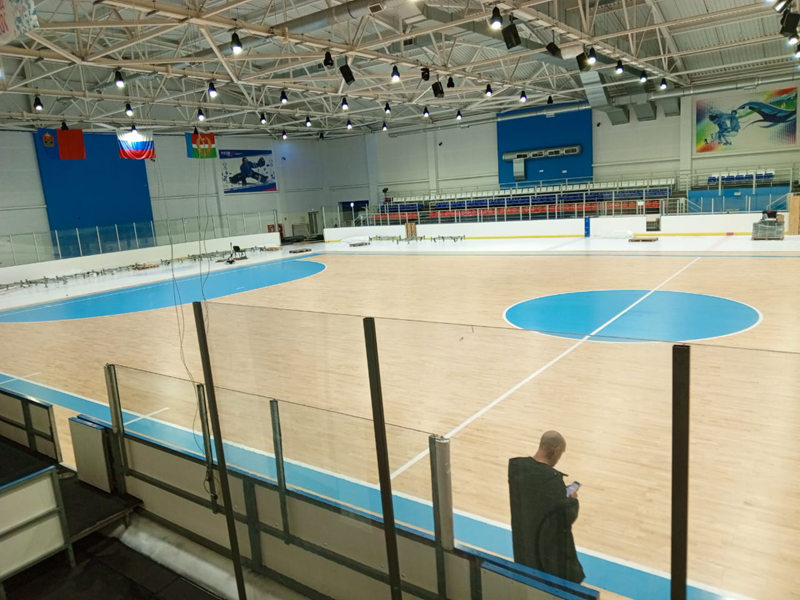
Selecting the right indoor sports wooden flooring is one of the most important decisions you will make when building or renovating a sports facility. The wrong choice can lead to poor performance, increased injuries, higher maintenance costs, and premature replacement. The right choice will serve your athletes and your budget for decades. Here is a step-by-step guide to making the best decision.
Step one is to define the primary use of the facility. This is the single most important factor. A professional basketball court has very different requirements from a multi-purpose recreation hall. Basketball demands high ball rebound, excellent shock absorption, and precise friction. Volleyball requires a very flat, rigid surface with consistent bounce. Badminton and handball have their own specific needs. If your facility will host multiple sports, you need a floor that can perform adequately across all of them, which usually means choosing a mid-range engineered system with a versatile finish.
Step two is to determine the performance level. Are you building for elite competition, community recreation, or school use? Elite facilities should invest in solid hardwood with a thick top layer and premium finish. Community and school facilities can often use high-quality engineered wood or parquet systems, which offer excellent performance at a lower cost. Be honest about your needs. Over-specifying a floor for a low-intensity use is a waste of money, while under-specifying for a high-intensity use is a safety risk.
Step three is to evaluate the subfloor. The subfloor is the foundation of your sports floor, and its condition will dictate what type of flooring system you can install. Concrete subfloors are the most common and work with almost all flooring systems. Wooden subfloors require a floating system or a specific adhesive protocol. Uneven or damaged subfloors must be repaired before any flooring is installed. Investing in subfloor preparation is never a waste of money.
Step four is to consider the climate. Wood is a natural material that expands and contracts with changes in temperature and humidity. In regions with extreme seasonal variations, you need a flooring system with adequate expansion gaps and a stable core construction. Engineered wood is generally more stable than solid hardwood in variable climates. The finish system also matters. Water-based finishes are more flexible and less prone to cracking in dry conditions.
Step five is to set a realistic budget. Indoor sports wooden flooring ranges from moderate to very expensive, depending on the type, thickness, and finish. Solid hardwood with a 26 millimeter top layer and ten coats of finish can cost two to three times more than an engineered system with a 20 millimeter top layer and five coats of finish. However, remember that the cheaper option may cost more in the long run if it needs earlier replacement or more frequent maintenance. Always calculate the total cost of ownership, not just the initial purchase price.
Step six is to specify the performance standards. Make sure the flooring system you choose meets the relevant international or national standards for ball rebound, shock absorption, and slip resistance. These standards exist for good reason, and a floor that does not meet them is not suitable for competitive play.
Step seven is to choose a qualified installer. The installation process is just as important as the product itself. A poorly installed floor will fail regardless of how good the material is. Look for installers with specific experience in sports flooring, proper equipment, and references from completed projects.
By following these steps, you can make an informed, confident decision that will serve your facility well for many years.
Leave a Reply