

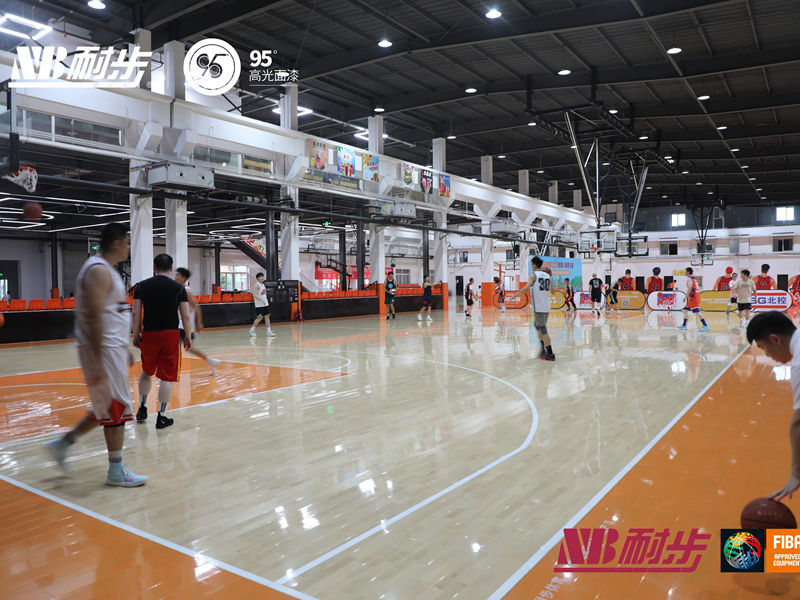
The cumulative impact of thousands of jumps and sudden stops over a basketball season can take a severe toll on an athlete’s joints, but a well-installed indoor basketball court wooden flooring system acts as a critical line of defense against chronic overuse injuries. Medical researchers who study sports biomechanics have documented that surfaces with insufficient shock absorption increase the risk of patellofemoral pain syndrome, Achilles tendonitis, and ankle sprains by significant margins, as the body is forced to absorb far more force than it was naturally designed to handle during repetitive athletic movement. Indoor basketball court wooden flooring addresses this by creating a graduated shock absorption profile: the top wood layer provides firm, immediate feedback for foot placement, while the layered substructure beneath dissipates the majority of high-impact forces before they can reach the athlete’s body. This system does not create the "trampoline effect" that some overly cushioned surfaces produce, which can actually cause ankle instability by allowing the foot to sink too far into the surface during quick lateral movements. Instead, the controlled flex of the wood surface keeps the foot stable while still reducing peak impact loads by up to 50 percent compared to bare concrete. For youth athletes whose bones and connective tissues are still developing, this reduction in chronic stress can prevent long-term joint damage that might sideline them later in their careers. Even for veteran professional players, the consistent support of high-quality indoor basketball court wooden flooring can extend their playing careers by reducing the cumulative wear on their knees and hips that accumulates over hundreds of hours of practice and competition.
How Indoor Basketball Court Wooden Flooring Supports Long-Term Athlete Joint Health
Leave a Reply