

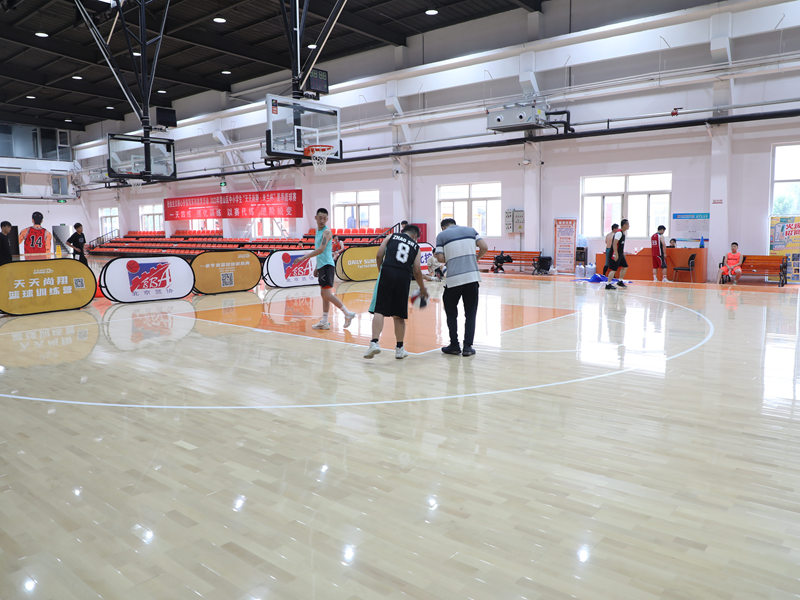
Sustainability is no longer a niche concern — it is a central consideration in facility design, procurement, and operations. Modular indoor sports wood flooring has several inherent environmental advantages that make it a compelling choice for organizations committed to reducing their ecological footprint.
The most obvious sustainability benefit is the longevity of the product. A high-quality modular sports wood floor can last 25 to 30 years or more, with the wood surface being refinishable multiple times. This means the floor does not need to be replaced as frequently as cheaper alternatives, reducing the demand for new raw materials and the waste generated by disposal.
The modular design itself contributes to sustainability in a unique way. Because the floor can be disassembled and relocated, it does not become waste when a facility is renovated or an organization moves. Instead, the panels can be reinstalled in a new location, effectively giving the floor a second or even third life. This is in stark contrast to traditional sports floors, which are destroyed during removal and end up in landfills. The reusability of modular panels is one of their most significant environmental advantages.
The wood used in sports flooring is typically sourced from sustainably managed forests. Hard maple, the most common species, is abundant in North America and Europe, and responsible forestry practices ensure that harvesting rates do not exceed regrowth. Many manufacturers hold certifications from organizations such as the Forest Stewardship Council, verifying that their wood comes from responsibly managed sources.
The factory manufacturing process also supports sustainability. Because the panels are produced in controlled environments, material waste is minimized. Offcuts and sawdust can be recycled or repurposed. The precision of the manufacturing process means that each panel is made to exact specifications, reducing the likelihood of defective products that would need to be discarded.
The shock absorption components in modular systems also have environmental implications. Natural rubber, which is used in many shock absorption pads, is a renewable resource. Foam blocks can be made from recycled materials. And spring mounts, being metal components, are fully recyclable at end of life.
Even the maintenance of modular floors supports sustainability. Because only damaged panels need to be replaced rather than the entire floor, the consumption of new materials is minimized. The use of pH-neutral, eco-friendly cleaning products further reduces the environmental impact of floor care.
For organizations that publish sustainability reports or pursue green building certifications such as LEED or BREEAM, modular sports wood flooring can contribute positively to their scores. The durability, reusability, recyclability, and responsibly sourced materials all align with green building principles.
In a world where every procurement decision is scrutinized for its environmental impact, modular indoor sports wood flooring stands out as a choice that performs well on the court and off.
Leave a Reply