

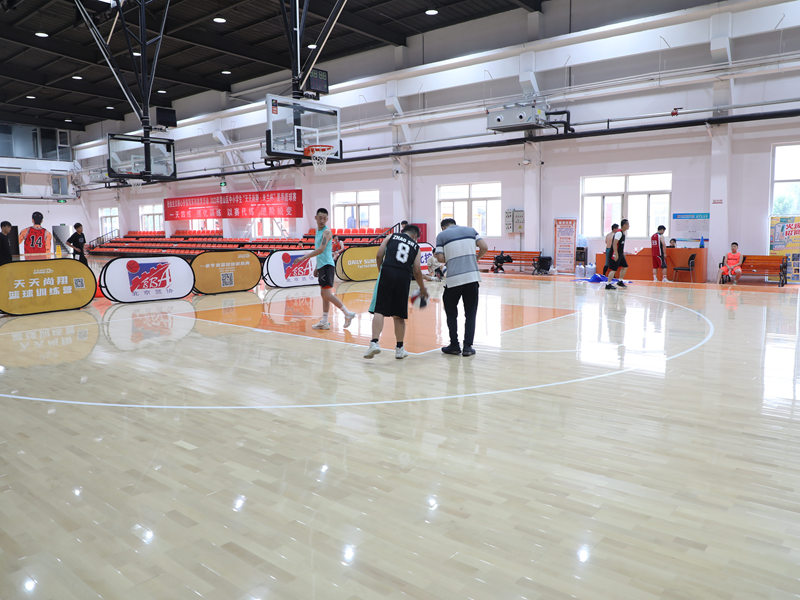
Sustainability has become a major consideration in every aspect of construction and facility management, and indoor basketball court wooden flooring is no exception. The good news is that the wood flooring industry has made tremendous strides in recent years toward more environmentally responsible practices. This article explores the green options available for basketball court flooring and how you can make a more sustainable choice without sacrificing performance.
The first thing to understand is that wood is one of the most sustainable building materials available. Unlike synthetic materials, which are derived from petroleum and can take hundreds of years to decompose, wood is a renewable resource. Trees can be harvested and replanted, creating a continuous cycle of growth and renewal. When wood is sourced from responsibly managed forests, the environmental impact is minimal.
Look for flooring that is certified by organizations such as the Forest Stewardship Council (FSC) or the Sustainable Forestry Initiative (SFI). These certifications ensure that the wood comes from forests that are managed according to strict environmental, social, and economic standards. FSC certification, in particular, is widely recognized as the gold standard for sustainable forestry. It guarantees that the wood is harvested in a way that protects biodiversity, respects the rights of indigenous peoples and workers, and maintains the long-term health of the forest.
Engineered hardwood is often considered a more sustainable option than solid hardwood because it uses less of the premium hardwood species. The top veneer provides the appearance and performance of solid hardwood, while the core layers are made from faster-growing, less expensive wood species. This means engineered hardwood can achieve the same look and feel with a smaller environmental footprint. Some engineered products also use cores made from recycled wood fibers or agricultural byproducts, further reducing their environmental impact.
When it comes to finishes, water-based polyurethane is the clear winner from an environmental standpoint. As mentioned in previous articles, water-based finishes contain far fewer VOCs than oil-based finishes. VOCs contribute to air pollution and can cause health problems for installers and building occupants. By choosing a water-based finish, you are reducing the environmental impact of your floor and creating a healthier indoor environment for players and spectators.
Some manufacturers now offer zero-VOC or low-VOC finishes that are virtually odorless and completely safe for indoor use. These finishes perform just as well as traditional finishes but with a fraction of the environmental impact. They are an excellent choice for schools, community centers, and any facility that prioritizes indoor air quality.
Recycled content is another area where the industry is making progress. Some underlayment and padding materials are now made from recycled rubber or recycled foam, diverting waste from landfills. Even some wood products incorporate recycled content, such as reclaimed wood from old buildings or salvaged timber.
The lifespan of the floor is also a sustainability factor. A floor that lasts thirty years is far more sustainable than one that needs to be replaced every ten years, even if the shorter-lived floor is made from recycled materials. Solid hardwood, with its ability to be refinished multiple times, has one of the longest lifespans of any flooring option. By investing in a high-quality floor and maintaining it properly, you are reducing the need for replacement and the associated waste and resource consumption.
At the end of its life, wood flooring can be repurposed or recycled. Old planks can be milled into mulch, used as fuel, or repurposed for furniture and other products. This is in stark contrast to synthetic flooring, which often ends up in a landfill.
By choosing FSC-certified wood, engineered hardwood with recycled cores, water-based low-VOC finishes, and recycled underlayment materials, you can build an indoor basketball court that is both high-performing and environmentally responsible. Sustainability and performance do not have to be mutually exclusive — in fact, they often go hand in hand.
Leave a Reply