

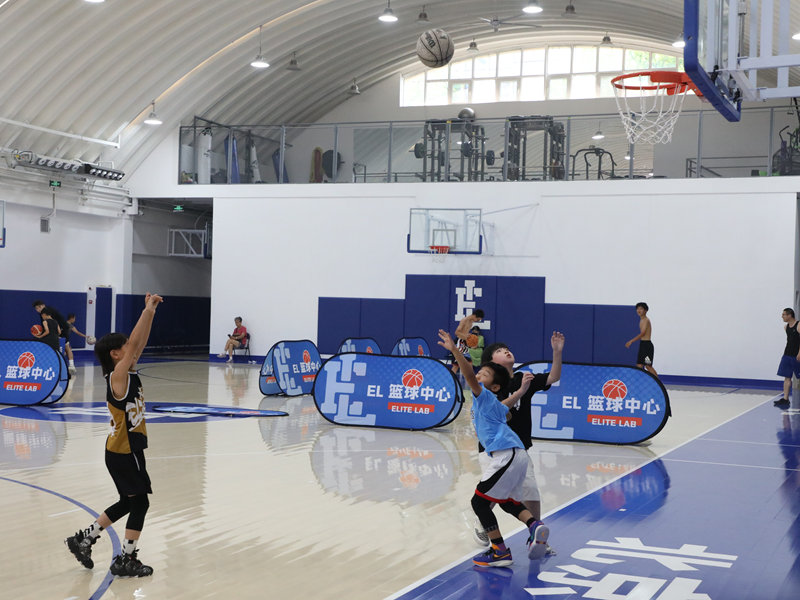
One of the most frequently asked questions about indoor basketball court wooden flooring is how much it costs. The answer, unfortunately, is not simple, because the cost depends on a wide range of factors including the size of the court, the type of wood, the construction method, the finish system, the subfloor requirements, and the geographic location of the project. However, by understanding the major cost drivers, you can create a realistic budget and avoid unpleasant surprises.
The cost of the wood flooring itself typically ranges from moderate to high, depending on the species and construction method. Solid hardwood maple flooring is the most expensive option, with material costs generally falling in the higher range per square meter. Engineered hardwood with a thick veneer is somewhat less expensive, while thinner veneer engineered products are the most affordable wood option. For a standard high school or collegiate-sized court, the material cost alone can represent a significant portion of the total budget.
Installation costs are often equal to or even greater than the material costs. Professional installation of a basketball court wooden floor is a specialized process that requires skilled labor. The installers must be experienced in athletic flooring, because the tolerances are much tighter than for residential hardwood. Installation costs include subfloor preparation, underlayment installation, floor installation, sanding, finishing, and line painting. For a solid hardwood system, installation can be particularly expensive because of the labor-intensive nailing or gluing process.
The subfloor and padding system is another major cost factor. A high-quality padding system with both foam and rubber layers can add significantly to the total cost, but it is an investment that pays off in terms of performance and player safety. Skimping on the subfloor is one of the biggest mistakes a facility owner can make, because a poor subfloor will compromise the entire floor regardless of how good the wood is.
Finish costs vary depending on the type and number of coats. A premium sports-specific coating system with multiple coats can add a meaningful amount to the budget, but it is essential for durability and performance. Budget finishes may save money upfront but will need to be reapplied more frequently, increasing the long-term cost.
Additional costs to consider include environmental controls (HVAC systems with humidification and dehumidification), which are essential for maintaining the floor but are often overlooked in initial budgets. Baseboards, quarter-round molding, and other trim work also add to the total cost. Line painting with high-quality athletic paint is another expense that should be factored in.
For a rough estimate, a full indoor basketball court wooden flooring project — including materials, installation, subfloor, finish, and line painting — can range from a moderate amount for a basic recreational court to a very high amount for a professional-grade facility. The key is to think in terms of total cost of ownership rather than just the upfront cost. A cheaper floor that needs to be replaced in ten years will cost more in the long run than a premium floor that lasts thirty years.
To stay within budget, consider the following strategies: choose engineered hardwood with a thick veneer instead of solid hardwood if the budget is tight; opt for a standard water-based finish instead of a premium sports-specific coating; and prioritize the subfloor and padding system, as these have the greatest impact on performance. Never compromise on the quality of the wood species — hard maple is the best value for basketball regardless of the budget.
Leave a Reply