

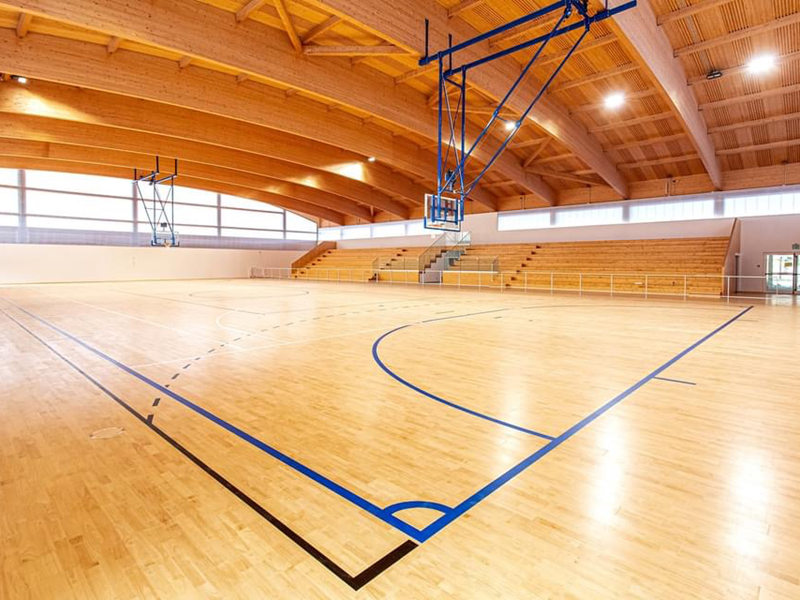
When designing an indoor gym, one of the most consequential decisions you will face is selecting the right flooring material. Among the many options available — rubber, carpet, vinyl, porcelain tile — wood flooring has emerged as the premium choice for gym owners and home fitness enthusiasts who refuse to compromise on performance, aesthetics, or durability. This comprehensive guide covers everything you need to know about indoor gym wood flooring, from material selection and installation to maintenance, refinishing, and long-term care.
Why Wood Flooring Works in Gym Environments
Wood flooring is no longer limited to living rooms and bedrooms. Modern gym design has embraced hardwood and engineered wood because they offer a rare combination of shock absorption, surface stability, and visual warmth that no synthetic material can replicate. Unlike carpet, which traps sweat, bacteria, and chalk dust, or rubber, which can feel cold and industrial, wood provides a natural, inviting surface that elevates the entire training experience.
Understanding the Two Main Types
There are two primary categories of wood flooring for gym use: solid hardwood and engineered wood. Solid hardwood is milled from a single piece of natural timber. It is dense, beautiful, and can be sanded and refinished multiple times throughout its lifespan. Engineered wood, by contrast, consists of a thin veneer of real hardwood bonded to multiple layers of plywood or high-density fiberboard. This cross-grain construction makes engineered wood far more dimensionally stable, especially in environments where humidity and temperature fluctuate.
Choosing the Right Species
Not all wood species perform equally in a gym setting. Sugar maple is widely considered the gold standard for gym flooring. It ranks 1450 on the Janka hardness scale, making it incredibly resistant to dents, scratches, and wear. Red oak, hickory, white oak, and birch are also excellent choices, each offering unique characteristics in terms of hardness, grain pattern, and color. For gym owners who prioritize aesthetics alongside performance, walnut and teak provide rich, dark tones that create a luxurious atmosphere.
Installation Matters More Than You Think
Installing wood flooring in a gym is not the same as installing it in a bedroom. Gym floors must support heavy equipment, withstand dropped weights, resist moisture from sweat, and maintain a perfectly flat surface for Olympic lifting and plyometrics. The subfloor must be level within 3/16 of an inch across a 10-foot span. A moisture barrier is essential, especially in basements or over concrete slabs. For gym environments, nail-down installation is strongly recommended over floating or glue-down methods because it provides superior stability under heavy loads.
Maintenance and Longevity
With proper care, wood gym floors can last 20 to 40 years or more. Daily sweeping, weekly mopping with a pH-neutral cleaner, and periodic refinishing will keep your floors performing at their best. Most gym floors need a full refinishing every 7 to 10 years, depending on traffic volume.
Choosing wood flooring for your indoor gym is not just a design decision — it is a long-term investment in both function and beauty. It transforms a simple workout space into a professional, motivating environment where people want to train.
Leave a Reply