

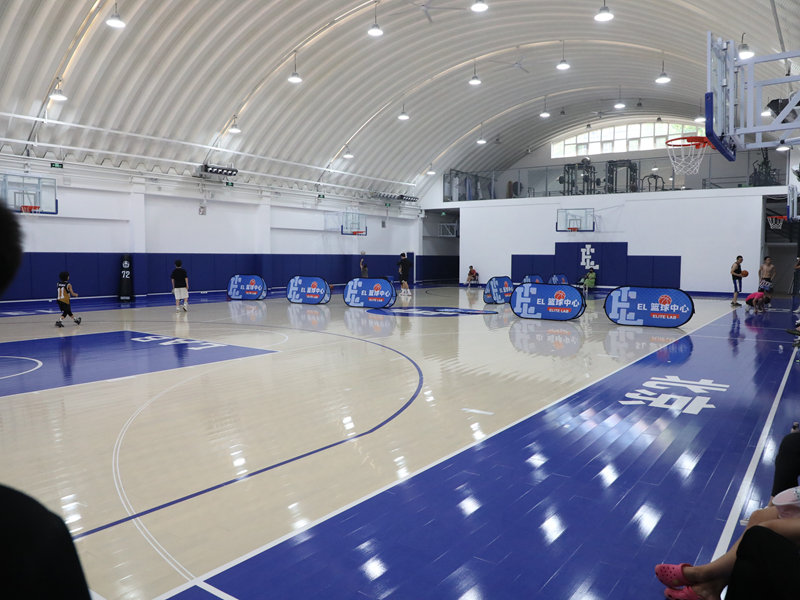
Sustainability has become a central concern in every industry, and sports facility construction is no exception. When evaluating the environmental impact of indoor basketball court hardwood flooring, it is important to look at the full lifecycle, from forest to installation to end of life.
The good news is that hardwood is one of the most environmentally friendly flooring options available, provided it is sourced responsibly. Wood is a renewable resource. Trees can be replanted and regrown, making hardwood a sustainable choice when managed properly. In contrast, synthetic sports surfaces are made from petroleum-based materials that are not renewable and can take hundreds of years to decompose in a landfill.
The key environmental variable is sourcing. Hardwood flooring for basketball courts should come from sustainably managed forests. Certifications such as those from the Forest Stewardship Council or the Sustainable Forestry Initiative verify that the wood was harvested in a way that protects biodiversity, water quality, and forest health. When facility managers specify certified wood, they are supporting responsible forestry practices.
The manufacturing process for hardwood flooring also has a relatively low environmental footprint compared to synthetic alternatives. Milling, drying, and finishing wood requires energy, but far less than the chemical processes needed to produce polyurethane or rubber flooring. The finish applied to basketball court floors is typically water-based polyurethane, which has lower volatile organic compound emissions than solvent-based alternatives.
During installation, the environmental impact is minimal. There are no toxic fumes, no hazardous waste, and no off-gassing concerns with hardwood. Synthetic floors, on the other hand, can release volatile organic compounds during and after installation, contributing to indoor air quality problems.
Over its lifespan, a hardwood floor has a very low environmental impact. It requires only basic cleaning with water and mild detergent. It does not need to be replaced for decades. When it does reach the end of its life, the wood can be reclaimed, repurposed, or composted. Many old basketball are not biodegradable. However, some manufacturers now offer pads made from recycled materials or natural rubber, reducing the environmental footprint.
Carbon sequestration is another advantage of wood. Trees absorb carbon dioxide as they grow, and that carbon remains stored in the wood for the life of the product. A basketball court made from hardwood is essentially a carbon sink. Synthetic floors have no such benefit.
Of course, there are environmental costs to consider. Transportation of hardwood from the forest to the facility generates carbon emissions. The energy used in milling and finishing also contributes to the carbon footprint. But when compared to the full lifecycle of synthetic alternatives, hardwood consistently comes out ahead.
For facility managers who want to minimize environmental impact, the best approach is to specify sustainably certified hardwood, choose water-based finishes, opt for recycled shock absorption materials, and commit to long-term maintenance that extends the floor's life. In doing so, an indoor basketball court can be both a high-performance sports facility and an environmentally responsible one.
Leave a Reply