

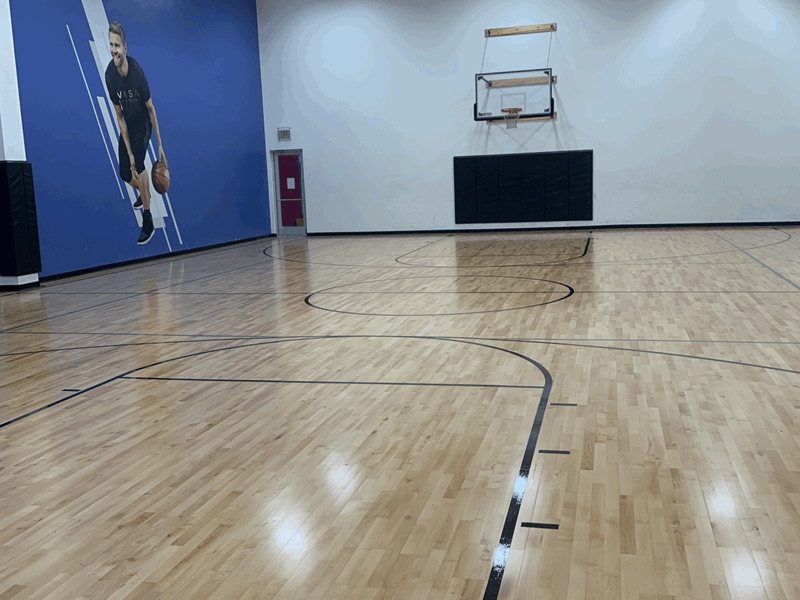
Budget is always a major consideration when planning an indoor basketball court, and flooring is typically one of the largest line items in the overall project cost. Interlocking wooden flooring offers a compelling value proposition, but it is important to understand the full cost picture before making a decision. This article provides a detailed cost analysis to help you plan your budget effectively.
The first cost component is the flooring material itself. Interlocking wooden panels typically range in price depending on the type of wood used, the thickness of the panel, and the quality of the base layer. Hardwood species like maple, oak, and beech are the most common choices for basketball courts because of their density and durability. Engineered wood panels, which use a thin layer of real hardwood bonded to a stable core, are generally less expensive than solid hardwood panels but offer comparable performance. On a per-square-meter basis, you can expect to pay a mid-range price that is competitive with other premium flooring options.
The second cost component is installation. This is where interlocking flooring delivers significant savings compared to traditional hardwood. Because the panels click together without glue or nails, you do not need to hire a team of skilled carpenters. A small crew of two or three people can typically complete the installation in a few days. The labor cost is therefore a fraction of what you would pay for traditional hardwood installation. For a standard-sized indoor court, the installation labor alone can save you thousands of dollars.
The third cost component is subfloor preparation. While interlocking flooring is more forgiving of subfloor imperfections than traditional hardwood, some level of preparation is still required. This may include leveling compound, moisture barrier, and underlayment. The cost of subfloor preparation varies depending on the condition of the existing floor, but it is generally modest compared to the cost of installing a new plywood subfloor for traditional hardwood.
The fourth cost component is ongoing maintenance. Interlocking wooden flooring requires minimal maintenance. Regular sweeping, occasional mopping, and periodic inspection are all that is needed. There are no expensive refinishing cycles like you would have with solid hardwood. Over a ten-year period, the maintenance cost for interlocking flooring is typically a fraction of the maintenance cost for traditional hardwood.
The fifth cost component to consider is the total cost of ownership. This includes the initial purchase and installation plus all maintenance, repair, and replacement costs over the lifetime of the floor. Because interlocking panels can be replaced individually, the repair cost is minimal. A single damaged panel costs far less to replace than a section of traditional hardwood. Over the life of the floor, these savings accumulate to a substantial amount.
When you add up all these components, interlocking wooden flooring typically offers a lower total cost of ownership than traditional solid hardwood, while delivering equal or superior performance. For budget-conscious facility managers, this makes it an exceptionally smart investment.
Leave a Reply