

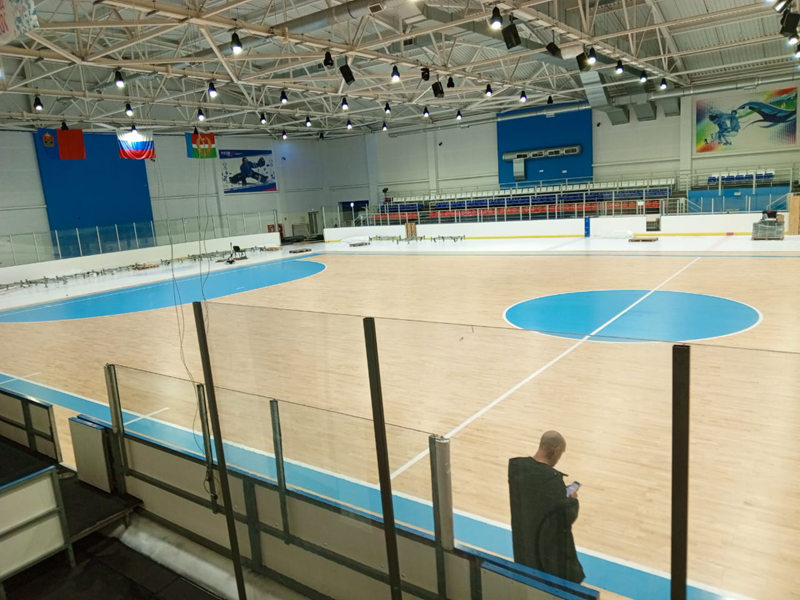
Selecting the right modular indoor sports wood floor is a decision that affects performance, safety, budget, and long-term satisfaction. With numerous options available, the process can feel overwhelming. However, by focusing on a few key criteria, facility managers can narrow down the choices and make a confident decision.
The first and most important criterion is the intended use. Different sports have different requirements for ball bounce, shock absorption, surface friction, and load bearing. A floor designed for basketball will have different specifications than one designed for volleyball, badminton, or multipurpose use. The sports governing body for your primary sport will have published standards — such as those from FIBA for basketball, IHF for handball, or ITF for tennis — and the floor you choose should be certified to meet those standards. If your facility hosts multiple sports, you will need a multipurpose floor that meets the most demanding requirements among them, or you may need to consider a floor with adjustable performance characteristics.
The second criterion is the wood species and panel construction. Hard maple is the most common choice for high-performance sports floors due to its density, durability, and consistent grain. European oak and beech are also used, each with slightly different characteristics in terms of hardness, appearance, and cost. The panel construction — including the number of plies, the thickness of the wear layer, and the type of locking mechanism — will affect both performance and longevity. Thicker wear layers allow for more refinishing cycles, extending the floor's useful life.
The third criterion is the shock absorption system. This is often the most technically complex part of the decision. Options include rubber pads, spring mounts, foam blocks, and hybrid systems. Each has different performance characteristics in terms of impact reduction, energy return, and cost. Spring-mounted systems generally offer the best shock absorption and are preferred for professional-level facilities. Foam and rubber systems are more cost-effective and may be sufficient for recreational or school-level use. The choice should be guided by the sports standards you need to meet and the level of athletic activity the floor will support.
The fourth criterion is the modularity and relocation potential. If there is any chance the floor may need to be moved or reconfigured in the future, you should prioritize systems with robust locking mechanisms and panels that can withstand multiple installation cycles. Not all modular systems are created equal in this regard — some are designed primarily for permanent installation with the option of panel replacement, while others are truly designed for frequent disassembly and relocation.
Budget is always a factor, but it should be evaluated as total cost of ownership rather than upfront price. A cheaper floor that requires frequent repairs, cannot be relocated, and has a short lifespan may cost more in the long run than a higher-priced system with superior durability and flexibility.
Finally, consider the supplier's technical support and warranty. A good modular floor system should come with clear documentation, installation guidance, and a warranty that covers both materials and workmanship. The availability of replacement panels years after installation is also critical — you want to ensure that if you need a single panel replaced in five years, you can still get an exact match.
Leave a Reply