

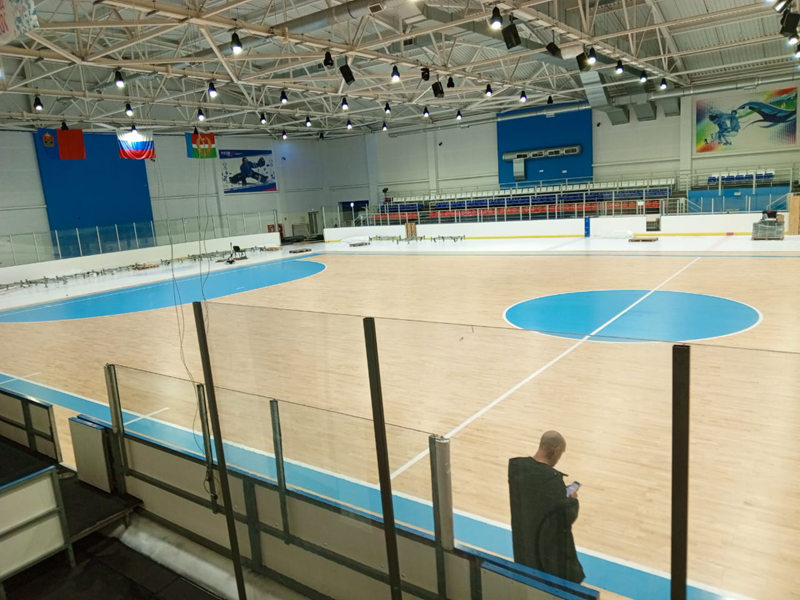
Selecting indoor sports wood flooring is one of the most important decisions you will make when building or renovating a sports facility. The wrong choice can lead to poor performance, increased injuries, excessive maintenance costs, and a facility that fails to meet expectations. This guide walks you through every factor you need to consider.
The first decision is wood species. Hard maple and oak are the two most common choices. Hard maple is denser, harder, and more uniform in color, making it ideal for basketball courts and areas where a consistent ball response is critical. Oak is slightly less dense but offers a distinctive grain pattern that many facilities prefer for aesthetic reasons. For sports like volleyball and badminton, where the ball is lighter and the game is less physically demanding, either species works well. For high-impact sports like basketball, hard maple is generally the better choice.
The second decision is the thickness of the wearing surface. Standard thickness ranges from 18 to 22 millimeters. Thicker surfaces last longer and can be refinished more times. A 20-millimeter maple surface, for example, can typically be refinished three to four times over its lifetime, meaning the floor can last 30 years or more. Thinner surfaces are cheaper upfront but offer less longevity. For professional or high-use facilities, always opt for the thicker option.
The third decision is the subfloor system. This is the hidden layer beneath the hardwood that determines shock absorption, sound control, and structural stability. Common subfloor systems include single-layer, double-layer, and multi-layer configurations with foam or rubber pads. The choice depends on the sport, the expected usage level, and the building structure. For basketball, a double-layer system with shock pads is standard. For volleyball, a simpler system may suffice.
The fourth decision is the finish. As discussed in previous articles, the finish affects traction, glare, and durability. Water-based polyurethane finishes are the most common and offer a good balance of performance and environmental friendliness. UV-cured finishes are harder and more durable but can be more slippery. The finish should always be selected based on the specific sport and the performance requirements of the facility.
The fifth decision is the installation method. Sports wood flooring can be installed using a floating system, a glue-down system, or a mechanical fastening system. Floating systems are the most common for indoor courts because they allow for natural expansion and contraction of the wood. Glue-down systems provide a more rigid feel but are less forgiving in environments with fluctuating humidity.
Finally, consider certifications and standards. Look for flooring that meets the requirements of relevant sports governing bodies. These standards cover everything from flatness tolerances to ball rebound rates to shock absorption values. Buying flooring that is already certified saves you the hassle of testing and ensures compliance.
By carefully evaluating each of these factors, you can select an indoor sports wood floor that delivers optimal performance, meets your budget, and serves your facility well for decades.
Leave a Reply