

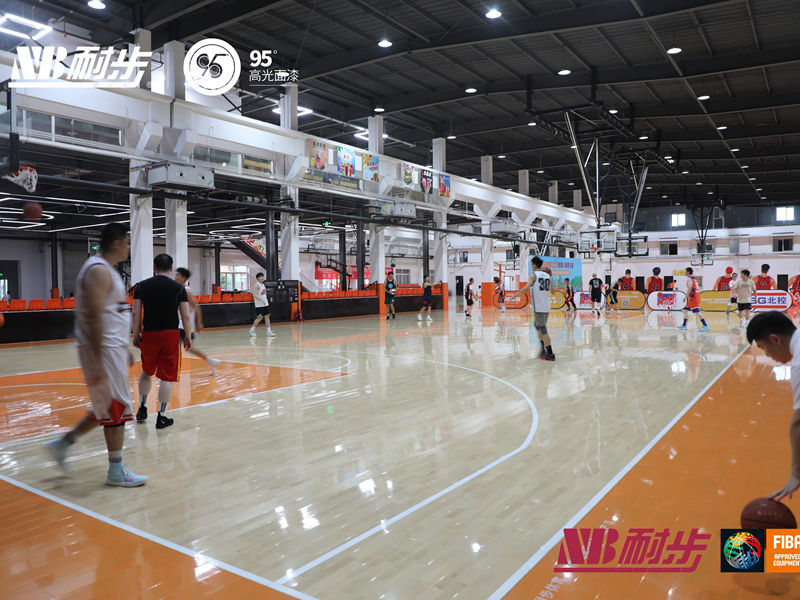
Selecting the right indoor basketball wood floor is one of the most important decisions a facility manager, architect, or athletic director will make. The floor affects everything from player safety to game-day experience to long-term maintenance costs. Yet many buyers rush into a decision without fully understanding the options available. This article walks you through the key factors you should evaluate before committing to a flooring system.
The first question to ask is: what is the primary use of the facility? A high school gym that hosts varsity games, junior varsity practices, and community events has very different needs than a private training center used exclusively by professional athletes. A recreational center that sees casual pick-up games three nights a week operates under a completely different wear pattern than a tournament venue that hosts events for a few weeks each year. Your usage profile should drive every other decision.
The second factor is the playing level. If the court will host sanctioned competition, you must comply with the governing body's specifications. For example, FIBA requires a minimum floor thickness of 20 millimeters of hardwood over a qualifying subfloor system. The NBA has its own set of standards that are even more stringent. If your facility does not need to meet these standards, you have more flexibility in material selection and can potentially save money.
Wood species is the next major consideration. Hard maple remains the gold standard for indoor basketball. Its density provides excellent wear resistance, and its light color creates a clean, professional look. However, maple is not the only option. European maple, which comes from the Acer pseudoplatanus species, is slightly softer but still widely used. Birch is another alternative that offers a similar appearance with somewhat different performance characteristics. Oak is harder than maple but has a more pronounced grain pattern that some players find distracting.
Thickness matters more than most people realize. A thinner floor, say 18 millimeters, may save money upfront, but it will flex more under load, which leads to inconsistent ball bounce and faster wear. A 22-millimeter floor provides a more solid feel and better energy return, but it costs more and adds weight to the structure. For competitive play, 20 to 22 millimeters is the recommended range.
The finish is another area where choices have real consequences. A water-based polyurethane finish is the most common choice today because it is durable, low in VOC emissions, and dries clear. Oil-based finishes were once popular, but they tend to yellow over time and require more frequent reapplication. Some facilities opt for a pre-finished system where the planks are coated at the factory, which ensures a more uniform application than on-site finishing.
Shock absorption is a factor that often gets overlooked. The underlayment system beneath the hardwood plays a huge role in player comfort and injury prevention. A good system should provide at least 50 percent shock absorption, meaning it reduces the impact force on a player's joints by half. If your facility sees heavy use by young athletes or players with joint issues, investing in a premium underlayment is not optional.
Budget is always a consideration, but it should not be the only one. The cheapest floor may cost less to install, but if it fails to meet performance standards, you will spend more in the long run on repairs, refinishing, or even complete replacement. A mid-range floor from a quality manufacturer, properly installed with a good underlayment, will typically give you 15 to 25 years of service with regular maintenance.
Finally, consider the aesthetic requirements. The color of the wood, the width of the planks, the gloss level of the finish, and the line painting all contribute to the overall look and feel of the court. A well-designed court inspires players and creates a professional atmosphere. Do not treat aesthetics as an afterthought.
In the end, the right floor is the one that matches your facility's needs, meets the applicable performance standards, fits your budget, and looks great. Take the time to evaluate each factor carefully, and you will end up with a surface that serves your athletes well for years to come.
Leave a Reply