

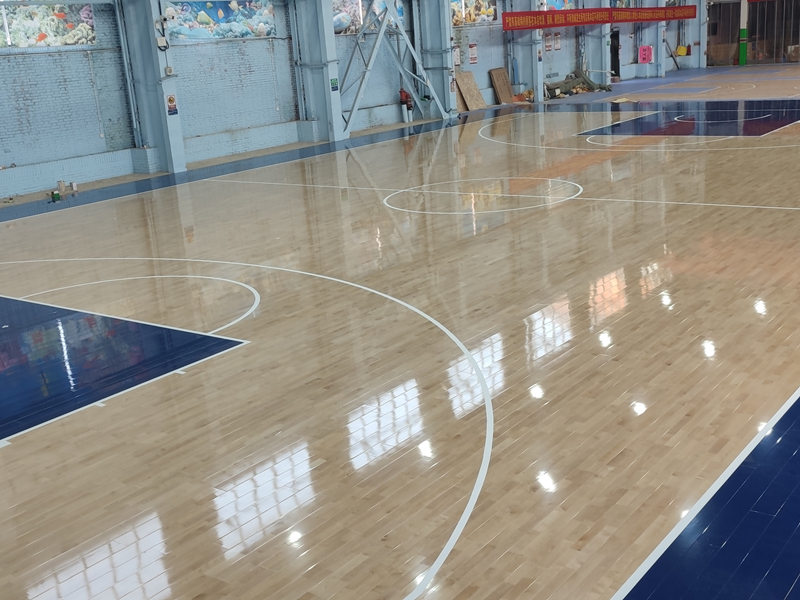
Choosing the right type of wood is one of the most important decisions in building a high-performance indoor basketball court wood floor. Different wood species have very different natural properties, including hardness, grain pattern, density, and resistance to wear. The wrong choice of wood will scratch easily, dent under the impact of heavy foot traffic, warp when humidity levels change, or lose its smooth finish after just a few months of regular use. For a surface that needs to stand up to thousands of hours of play every year, the selection of wood species is not just an aesthetic choice; it is a critical decision that will determine how well the floor performs and how long it lasts.
The most widely used wood species for top-tier basketball courts are known for their exceptional hardness and consistent grain structure. These dense hardwoods can resist the constant impact of basketball shoes, the pressure from heavy gym equipment, and the occasional scrape from a fallen player’s elbow or knee without showing significant damage. Their tight, uniform grain pattern means that there are no soft, weak spots in individual planks, so the entire surface wears down evenly over time. Even after years of heavy use, these hardwoods can be sanded down and refinished multiple times, removing old scuffs and scratches to reveal a fresh, smooth playing surface underneath. This gives a well-chosen wood floor a lifespan that no synthetic court surface can match.
Different wood species also bring subtle differences in how the finished floor feels underfoot. Some varieties have a slightly more rigid, responsive feel that gives players an extra snappiness when they push off to make a fast break. Others have a tiny bit more natural flexibility that adds an extra layer of shock absorption for long, tiring games. Facility managers will often select their wood species based on how the court will be used: a professional arena that hosts multiple games every week might choose the hardest, most wear-resistant species available, while a small community gym might select a slightly more affordable option that still delivers all the core performance benefits for recreational play.
Beyond performance, the natural appearance of different wood species adds a unique character to every court. Some woods have a warm, rich amber tone that develops over time as they are exposed to light, giving the court a classic, timeless look. Others have a lighter, brighter natural color that makes the gym feel more open and energetic. The natural grain patterns running across the planks create a subtle, beautiful texture that no man-made material can perfectly replicate. This natural beauty is one of the reasons that so many players and fans feel a special connection to wood courts; there is a warmth and authenticity to a well-loved wood floor that makes the space feel like a real home for the sport of basketball.
Leave a Reply