

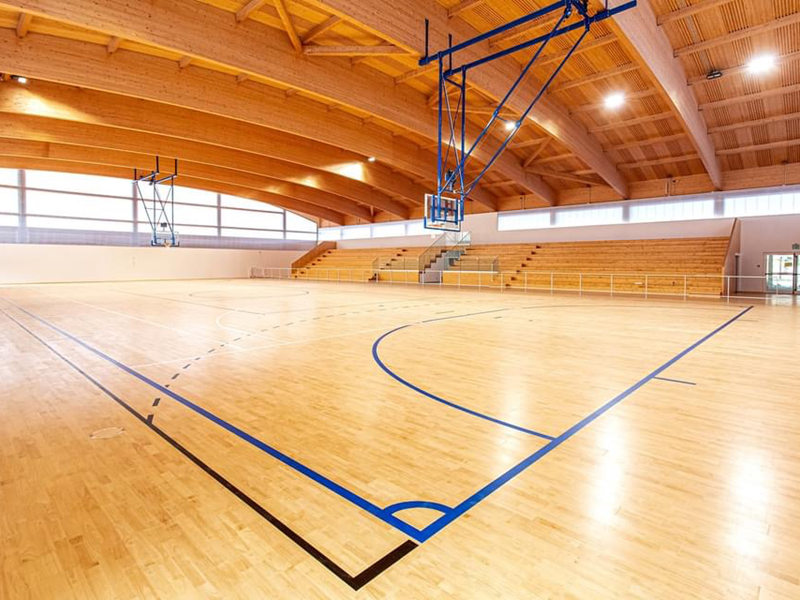
When it comes to indoor basketball courts, nothing matches the feel, performance, and aesthetics of real hardwood flooring. For decades, hardwood has been the gold standard for competitive and recreational basketball alike. Whether you are building a new facility, renovating an existing one, or simply curious about what lies beneath your feet every time you step onto the court, understanding hardwood flooring is essential.
Hardwood basketball court floors are typically constructed from maple or oak, with maple being the most popular choice worldwide. Maple offers a tight grain pattern, excellent durability, and a consistent playing surface that players and coaches trust. The wood is usually sourced from sustainably managed forests, ensuring that the environmental impact is kept to a minimum while still delivering top-tier performance.
The construction of a hardwood basketball court is far more complex than simply nailing planks to a subfloor. A proper system involves multiple layers: a subfloor (usually plywood or concrete), a vapor barrier, a layer of softwood or engineered lumber for structural support, and finally the hardwood surface itself. Each layer serves a specific purpose, from moisture control to shock absorption.
One of the most important specifications in hardwood court construction is the thickness of the hardwood. Most professional-grade courts use hardwood that is at least three-quarters of an inch thick, with some high-end installations using a full inch. Thicker wood means better durability, less movement over time, and a more consistent bounce.
Finish is another critical factor. The surface of a basketball court hardwood is coated with a polyurethane or similar protective finish. This finish must provide enough grip to prevent slipping while also being smooth enough to allow quick lateral movements. Too much grip can cause ankle injuries, while too little can lead to sliding and loss of control. The ideal finish strikes a balance between traction and glide.
Maintenance of hardwood floors is ongoing but not overly complicated. Regular sweeping, periodic mopping with a proper wood floor cleaner, and annual refinishing are the standard practices. Courts that are used heavily may need to be sanded and refinished every three to five years, while lighter-use facilities can go longer between refinishing cycles.
Cost is always a consideration. A full hardwood basketball court installation can range from modest to very expensive depending on the size of the court, the grade of wood, the complexity of the subfloor, and regional labor costs. However, when you consider the lifespan of a well-maintained hardwood court, which can exceed twenty years, the long-term value is hard to beat.
In summary, indoor basketball court hardwood flooring is a sophisticated system that combines natural materials with precise engineering. It delivers the performance that players demand, the durability that facility managers need, and the visual appeal that fans appreciate. If you are serious about basketball, hardwood is not just an option. It is the standard.
Leave a Reply