

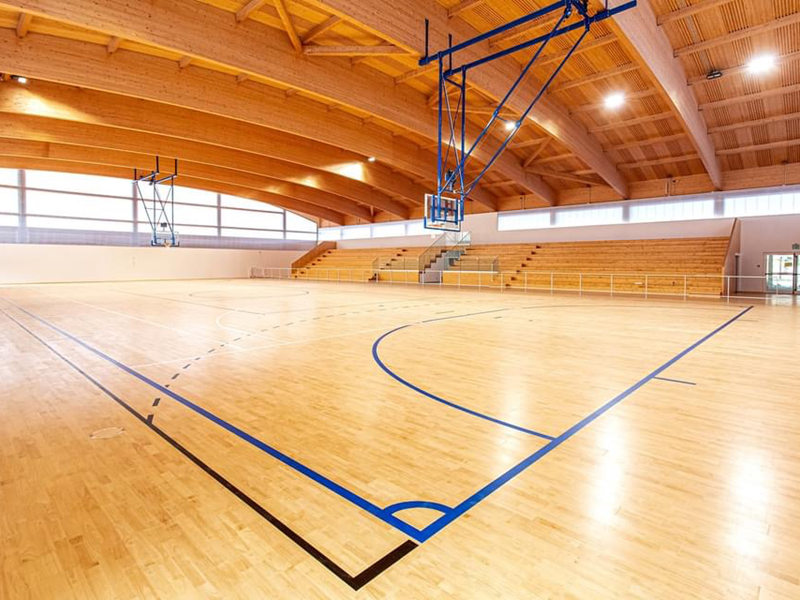
When it comes to equipping an indoor sports facility, one of the most critical decisions you will ever make is selecting the right flooring. Among all the options available, indoor sports wooden flooring stands out as the gold standard for performance, durability, and athlete safety. However, choosing the right wood flooring is not as simple as picking the first option you see. There are numerous factors to consider, from the type of wood and the construction method to the finish, thickness, and performance characteristics. This comprehensive guide will walk you through everything you need to know to make an informed decision.
The first thing you need to understand is that not all sports wooden flooring is created equal. The flooring used in a basketball court is different from the one used in a badminton hall or a volleyball arena. Each sport demands specific performance attributes, and the flooring must be engineered to meet those demands. For example, basketball requires a floor with excellent shock absorption and ball rebound, while badminton needs a floor with superior grip and minimal slip.
Wood species play a significant role in the overall quality of sports flooring. Hardwood species such as maple, oak, ash, and birch are the most commonly used because of their density, durability, and consistent grain patterns. Maple, in particular, has become the industry favorite for basketball courts due to its light color, fine grain, and excellent hardness rating on the Janka scale. Oak is another popular choice, especially for multi-purpose halls, because of its strength and natural beauty.
The construction of the flooring system is equally important. There are generally three types of construction: solid wood, engineered wood, and finger-jointed panels. Solid wood flooring consists of a single piece of hardwood, typically 20 to 22 millimeters thick. Engineered wood flooring is made of multiple layers of wood bonded together with adhesives, which makes it more stable and less prone to warping. Finger-jointed panels are made by joining smaller pieces of wood together, which allows for more efficient use of raw materials and a more consistent product.
Thickness is another crucial factor. Standard sports wooden flooring ranges from 18 millimeters to 26 millimeters in thickness. Thicker floors generally provide better shock absorption and durability, but they also come at a higher cost. For professional-level facilities, a thickness of 20 to 22 millimeters is usually recommended. For recreational or training facilities, 18 millimeters may be sufficient.
The finish of the floor also matters greatly. There are two main types of finishes: lacquered and oiled. Lacquered floors have a glossy, smooth surface that provides consistent ball bounce and is easier to clean. Oiled floors have a more natural, matte appearance and are often preferred for facilities that want a more traditional look. However, oiled floors require more maintenance and are more susceptible to scratches.
Shock absorption is a performance metric that should never be overlooked. The floor must absorb enough impact to protect athletes' joints while still providing adequate energy return for quick movements and jumps. The standard for shock absorption in sports flooring is typically measured as a percentage, with most professional facilities requiring a minimum of 53 percent.
Ball rebound is another critical performance indicator. The floor should return a consistent and predictable bounce, which is essential for sports like basketball and handball. The ball rebound standard is usually set at a minimum of 90 percent of the ball's original height.
Rolling load and point load are structural performance metrics that determine how well the floor can withstand the forces exerted by athletes and equipment. Rolling load refers to the force exerted by a wheel or caster, while point load refers to the force exerted by a single point, such as a shoe heel. Professional sports floors must meet minimum standards for both.
Before making your final decision, it is essential to consult with a flooring specialist who understands the specific requirements of your sport and facility. They can help you navigate the complex world of sports wooden flooring and ensure that you select a product that meets all the necessary performance standards while staying within your budget.
In conclusion, choosing indoor sports wooden flooring is a multifaceted decision that requires careful consideration of wood species, construction method, thickness, finish, and performance characteristics. By taking the time to research and consult with experts, you can ensure that your facility is equipped with the best possible flooring for your needs.
Leave a Reply