

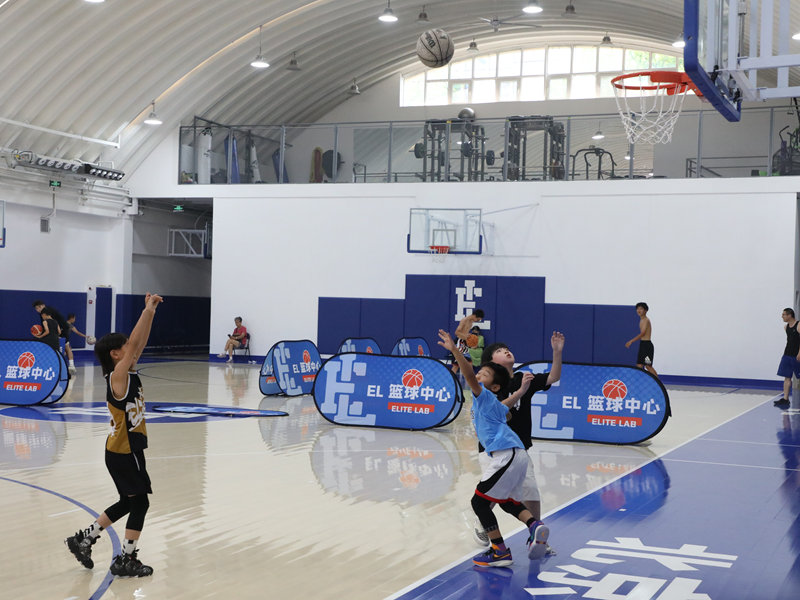
Selecting the right indoor sports wooden flooring for your facility is a decision that will affect performance, safety, aesthetics, and budget for decades to come. With so many options available, it can be overwhelming. This article provides a step-by-step guide to help you make the right choice.
Step 1: Define Your Primary Sport
The first and most important factor is the primary sport that will be played on the floor. Basketball requires a DIN rating of 35% to 53% and a ball bounce ofnasiums were built. These early floors were simple hardwood planks nailed directly to joists, with no shock absorption or specialized finishes. They were durable but hard, and injuries were common.
The Birth of Basketball: 1891
The invention of basketball by James Naismith in 1891 changed everything. Naismith nailed a peach basket to the wall of a gymnasium, and the sport was born. The wooden floors of these early gyms were perfectly suited to basketball, and the sport quickly spread to colleges and YMCAs across the United States.
The Rise of Professional Basketball: 1940s-1960s
As professional basketball leagues emerged in the 1940s and 1950s, the need for better floors became apparent. The NBA (then the BAA) began specifying hardwood floors for its arenas, and maple became the preferred species due to its hardness and light color. The Boston Garden, opened in 1928, is one of the earliest examples of a professional arena with a purpose-built hardwood basketball court.
The Parquet Era: 1960s-1980s
In the 1960s and 1970s, parquet flooring became the standard for professional basketball. Parquet floors are made of short wooden strips arranged in geometric patterns, typically herringbone or basketweave. The parquet floor at the Boston Garden became iconic and was replicated in arenas across the country.
**The Maple Revolution: 1990s-, the floor should be sanded and refinished.
Problem 6: Staining
Stains from shoes, balls, and other equipment can mar the appearance of a sports floor.
Solution: Use protective floor mats at entrances and in high-traffic areas. Clean spills immediately. For stubborn stains, a professional sports floor cleaner can often remove them without damaging the finish.
Problem 7: Warping
Warping is a severe deformation of the planks, usually caused by extreme moisture exposure.
Solution: Warped planks must be replaced. To prevent future warping, ensure proper moisture barrier installation, maintain consistent humidity levels, and fix any water leaks immediately.
By being proactive about these common problems, you can keep your indoor sports wooden floor in excellent condition for decades.
Leave a Reply