

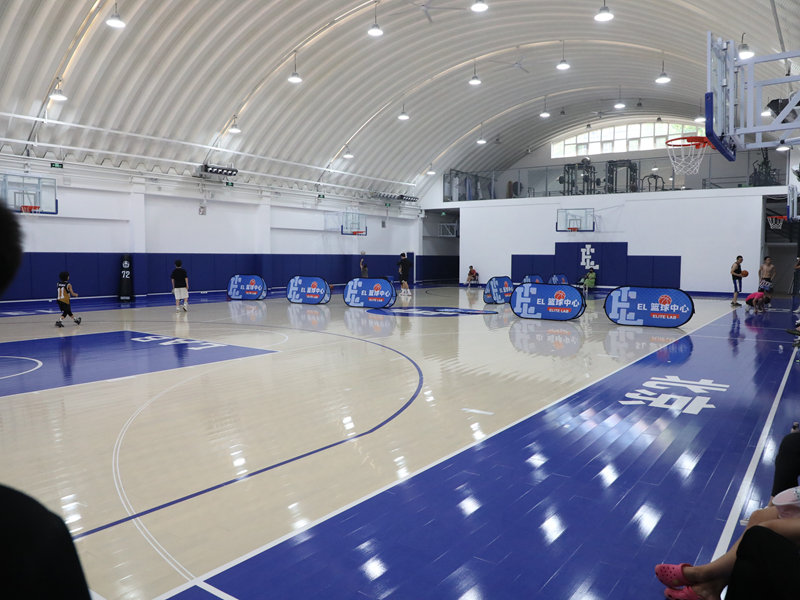
When organizations evaluate portable basketball court wood flooring, they often focus on the purchase price. That is a mistake. The true cost of ownership includes many factors that are not visible on the invoice. Understanding the full cost picture helps you make a smarter buying decision and avoid unpleasant surprises down the road.
The purchase price is the starting point. Portable basketball court wood flooring systems typically range from fifteen to sixty dollars per square foot depending on wood species, thickness, finish quality, and connection system. For a standard full-size court of about 4,700 square feet, the purchase price alone can range from seventy thousand to nearly three hundred thousand dollars. This is a significant investment, but it is still generally lower than permanent installation.
Transportation costs are often underestimated. Portable flooring is heavy. A full-size court can weigh several tons. If you need to move the floor between venues, you will need a truck, a crew, and possibly a forklift or pallet jack. Factor in fuel, labor, and vehicle wear. For organizations that move their court frequently, transportation can add up to ten to fifteen percent of the total annual cost.
Installation labor is another line item. While portable systems are faster to install than permanent courts, they still require skilled labor. A typical installation crew of four to six people will take four to eight hours to set up a full-size court. At an average labor rate, this can add several thousand dollars per installation. If you set up and tear down the court multiple times per season, these costs multiply quickly.
Surface maintenance has an ongoing cost. Cleaning supplies, refinishing materials, replacement panels, and connection hardware all add up over the life of the floor. Budget approximately two to four percent of the purchase price per year for routine maintenance. For a fifty-thousand-dollar floor, that is one to two thousand dollars annually.
Replacement cost is the final factor. Portable flooring does not last forever. Depending on usage intensity and maintenance quality, you can expect to replace the floor every 8 to 15 years. When you amortize the purchase price over the expected lifespan, the annual cost of ownership becomes much more manageable. For example, a sixty-thousand-dollar floor lasting 12 years costs five thousand dollars per year before adding maintenance, transportation, and labor.
When you compare this to a permanent court, the economics shift. A permanent court might cost one hundred thousand dollars upfront but last 25 years with proper maintenance, resulting in an annual cost of four thousand dollars plus maintenance. The gap is smaller than most people expect.
The key insight is that portable flooring is not necessarily cheaper in absolute terms. It is cheaper in terms of flexibility and lower upfront risk. If your usage patterns are uncertain or your venue may change, portable flooring reduces your exposure. If your venue is fixed and usage is heavy, permanent may actually be more cost-effective over the long term.
Leave a Reply