

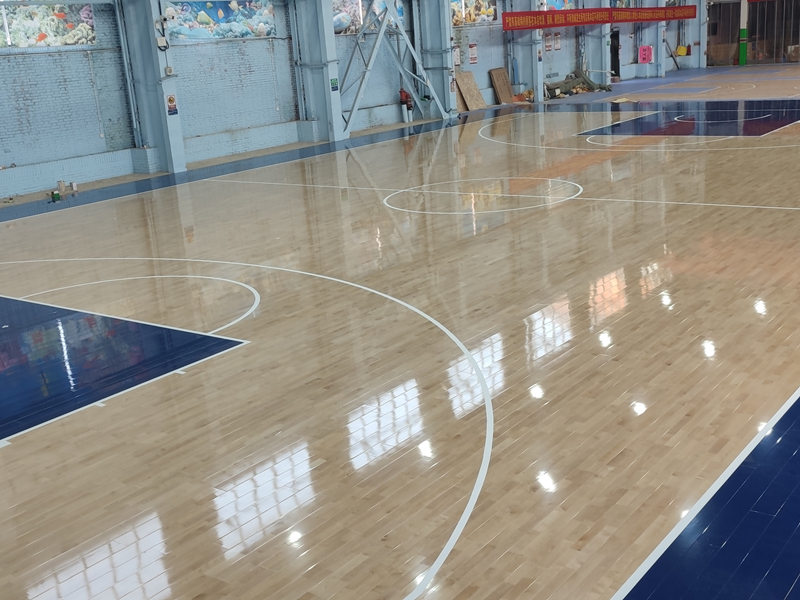
Not all wood is created equal, especially when it comes to gym flooring. The right species can mean the difference between a floor that lasts decades and one that shows wear within months. Hardness, grain pattern, color stability, and moisture resistance all matter. Here are the top 10 wood species ranked for gym flooring performance.
1. Sugar Maple (Janka Hardness: 1450)
The undisputed king of gym flooring. Sugar maple is incredibly hard, dense, and has a tight, uniform grain that resists dents and scratches. It is the same wood used in professional basketball courts across the world. If budget allows, maple is the single best choice for any gym floor.
2. Hickory (Janka Hardness: 1820)
Hickory is even harder than maple, making it extremely durable. It can take a beating from dropped weights and heavy foot traffic without showing damage. However, its dramatic grain variation and darker color make it less popular for modern, minimalist gym aesthetics.
3. Red Oak (Janka Hardness: 1290)
Red oak is a close second to maple in popularity. It is slightly softer but offers a beautiful, prominent grain pattern that many people find more visually appealing than maple. It is also more affordable, making it a great value choice.
4. White Oak (Janka Hardness: 1360)
White oak is similar to red oak but with a tighter grain and significantly better moisture resistance. It contains tyloses, which are natural blockages in the wood's pores that prevent water absorption. This makes white oak an excellent choice for gyms in humid climates or basements.
5. Brazilian Cherry (Janka Hardness: 2350)
One of the hardest woods available, Brazilian cherry is incredibly durable and resistant to wear. Its rich reddish-brown color adds warmth to any gym. The downside is cost and sustainability concerns, as it is harvested from tropical rainforests.
6. Birch (Janka Hardness: 1260)
Birch has a clean, light appearance similar to maple but is slightly softer. It is a good budget-friendly alternative that still offers decent durability and a bright, modern look.
7. Ash (Janka Hardness: 1320)
Ash is known for its flexibility and shock absorption, making it popular in gymnastics facilities and martial arts studios. It has a light, uniform color and a straight grain that resists splitting.
8. Walnut (Janka Hardness: 1010)
Walnut is softer than most gym-grade woods but incredibly beautiful. Its rich, dark brown color creates a luxurious, high-end atmosphere. It is best suited for low-impact gym areas like yoga, stretching, or Pilates zones rather than heavy lifting areas.
9. Teak (Janka Hardness: 1070)
Teak is naturally oil-rich and highly moisture-resistant, making it ideal for wet environments. It is rarely used in mainstream gyms due to cost, but it is excellent for sauna or steam room adjacent areas.
10. Bamboo (Janka Hardness: 1380)
Technically a grass, not a wood, but bamboo is often grouped with hardwood flooring. It is extremely hard, sustainable, and affordable. Strand-woven bamboo is particularly dense and durable, making it a great eco-friendly option for gym floors.
For serious gym use, always prioritize maple or oak. For aesthetic-focused spaces, walnut and teak are worth considering. Whatever you choose, make sure the species matches your usage intensity and climate conditions.
Leave a Reply