

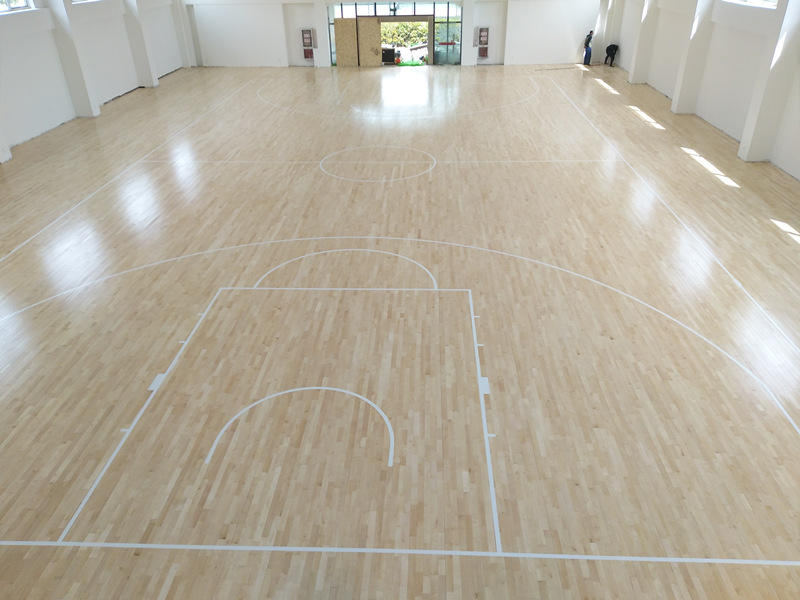
Traction is another crucial aspect of indoor sports flooring performance. It refers to the ability of the floor to provide a secure grip for athletes' shoes, allowing them to make quick turns, sudden stops, and explosive movements without slipping.
Good traction is essential for preventing injuries, as slips and falls can result in sprains, fractures, and other serious injuries. It also enhances athletic performance by enabling athletes to move with confidence and agility. A floor with poor traction can hinder an athlete's ability to perform at their best, limiting their speed, agility, and overall effectiveness.
To achieve optimal traction, indoor sports flooring is designed with specific surface textures and materials. For example, rubber flooring often features a textured surface that provides excellent grip, even in wet or sweaty conditions. Synthetic composites may incorporate anti-slip coatings or patterns to enhance traction.
In addition to the surface texture, the choice of materials also plays a role in traction. Some materials, such as certain types of vinyl, offer a balance of grip and smoothness, making them suitable for a wide range of sports. Others, like hardwood, may require additional treatments or coatings to improve traction.
When selecting indoor sports flooring, it is important to consider the traction requirements of the specific sport or activity. Different sports have different demands in terms of grip and stability, and the flooring should be chosen accordingly. By prioritizing traction, sports facilities can create a safer and more effective environment for athletes to train and compete.
Leave a Reply