

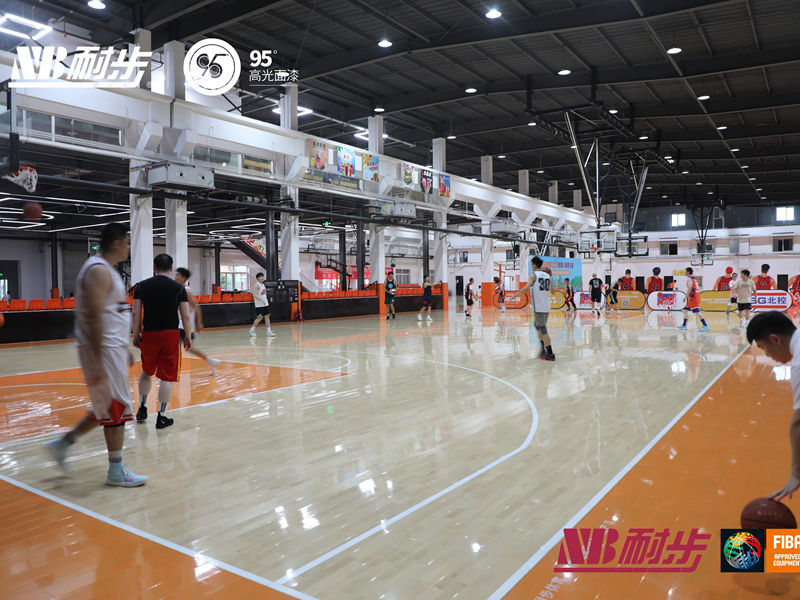
Shock absorption is a critical factor in the design and selection of indoor sports flooring. When athletes engage in high-impact activities such as jumping, running, and pivoting, their joints and muscles are subjected to significant stress. A floor with poor shock absorption can exacerbate these stresses, leading to fatigue, discomfort, and even injuries.
Effective shock absorption in indoor sports flooring helps to distribute the impact forces evenly across the surface, reducing the strain on athletes' bodies. This is achieved through the use of materials with high elasticity and resilience, such as rubber and certain synthetic composites. These materials are able to compress and rebound quickly, absorbing and dissipating the energy generated by athletic movements.
In addition to protecting athletes, shock absorption also contributes to the longevity of the flooring itself. By reducing the impact forces, the floor is less likely to suffer from wear and tear, extending its lifespan and reducing maintenance costs.
When selecting indoor sports flooring, it is essential to consider the level of shock absorption required for the specific sport or activity. Different sports have varying demands in terms of impact forces, and the flooring should be tailored accordingly. For example, basketball courts require flooring with excellent shock absorption to accommodate the high jumps and quick movements of players, while volleyball courts may prioritize traction and stability.
Ultimately, investing in high-quality indoor sports flooring with superior shock absorption is a wise decision for any sports facility. It not only protects athletes but also enhances their performance and ensures the longevity of the flooring.
Leave a Reply