

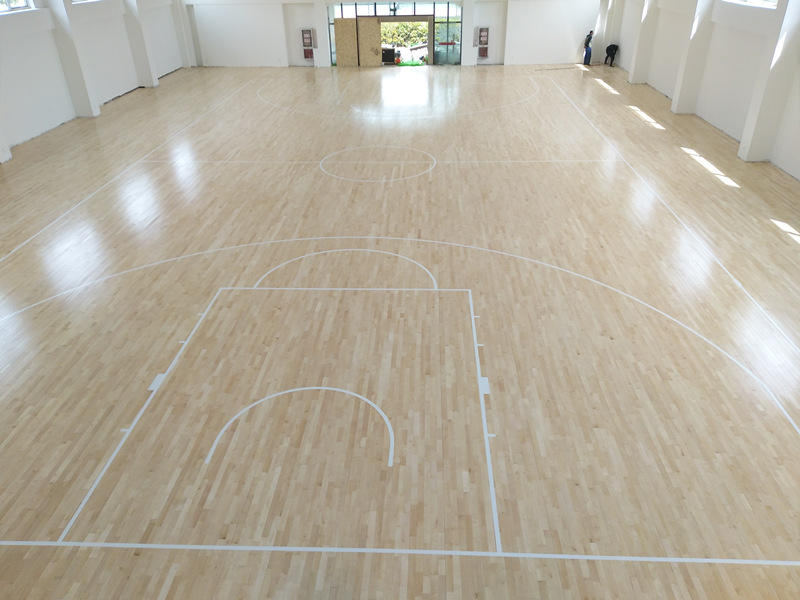
While the surface layer of sports wood flooring is crucial for providing traction and shock absorption, the subfloor system plays an equally important role in enhancing overall performance. A well-designed subfloor can significantly improve the stability, durability, and comfort of the sports floor.
Subfloor systems typically consist of multiple layers, including a base layer, a shock-absorbing layer, and a leveling layer. The base layer provides a stable foundation for the entire flooring system, ensuring that it remains level and secure. The shock-absorbing layer, often made from materials like rubber or foam, helps to distribute the impact of athlete movements across the floor, reducing the risk of localized damage and enhancing overall shock absorption. The leveling layer ensures that the surface layer is even and smooth, providing a consistent playing experience.
One of the key benefits of a high-quality subfloor system is its ability to enhance the lifespan of the sports wood flooring. By absorbing and distributing impact forces, the subfloor reduces the stress on the surface layer, preventing premature wear and tear. This extends the life of the flooring, reducing maintenance costs and downtime for repairs.
Additionally, a well-designed subfloor can improve the acoustic properties of the sports arena. By reducing vibrations and noise transmission, the subfloor creates a quieter, more comfortable environment for both athletes and spectators. This is particularly important in multi-purpose arenas where different sports and events may be held, as it ensures that each activity can be enjoyed without excessive noise interference.
In conclusion, the subfloor system is a critical component of sports wood flooring that enhances performance, durability, and comfort. Investing in a high-quality subfloor can significantly improve the overall experience for athletes and spectators alike, making it a worthwhile investment for any sports arena.
Leave a Reply