

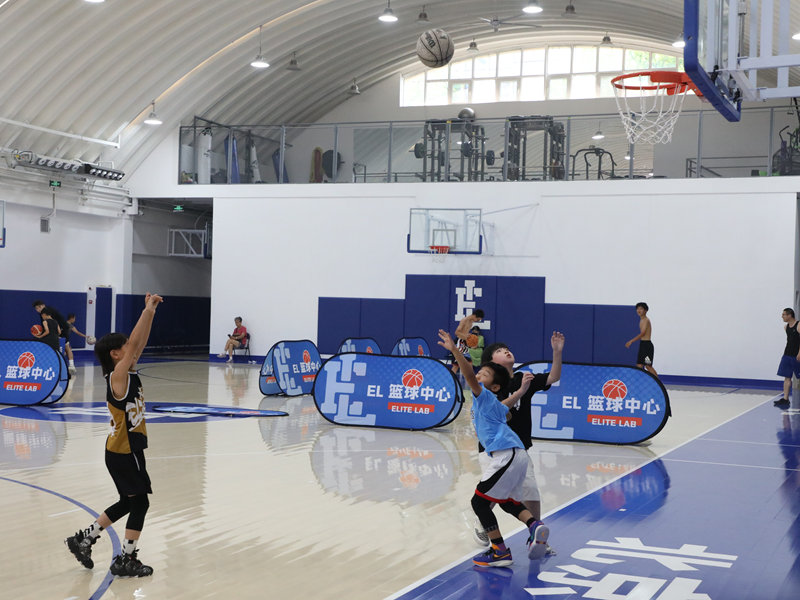
In an era when environmental sustainability is no longer optional but a requirement, indoor sports wooden flooring stands out as one of the greenest flooring options available for athletic facilities. Unlike synthetic alternatives that are derived from petroleum and often contain harmful chemicals, sports wood flooring is made from a natural, renewable resource that can be sourced responsibly and disposed of sustainably.
The primary material in indoor sports wooden flooring is hardwood, which comes from trees — a renewable resource when managed properly. The vast majority of hardwood used in sports flooring comes from sustainably managed forests, where for every tree harvested, two or more are planted in its place. Organizations like the Forest Stewardship Council (FSC) and the Programme for the Endorsement of Forest Certification (PEFC) certify that the wood used in sports flooring comes from responsibly managed forests that protect biodiversity, water resources, and the rights of local communities.
The carbon footprint of indoor sports wooden flooring is also significantly lower than that of synthetic alternatives. Trees absorb carbon dioxide as they grow, and this carbon remains stored in the wood for the life of the product. A sports wood floor effectively sequesters carbon for 30 to 50 years, making it a carbon-negative product over its lifetime. Synthetic floors, on the other hand, are made from petroleum-based materials that release carbon dioxide during manufacturing and do not sequester any carbon during their use.
The manufacturing process for indoor sports wooden flooring has also become much more environmentally friendly in recent years. Modern mills use advanced drying technologies that reduce energy consumption by up to 40% compared to traditional kiln drying. Water-based finishes, which have largely replaced solvent-based finishes, emit far fewer volatile organic compounds (VOCs) and are safer for both workers and end users. Many manufacturers now offer finishes with zero VOC content, making them ideal for facilities that prioritize indoor air quality.
The longevity of indoor sports wooden flooring is itself a sustainability advantage. A floor that lasts 30 to 50 years generates far less waste than a synthetic floor that needs to be replaced every 10 to 15 years. When a sports wood floor does reach the end of its life, the wood can be repurposed, recycled, or composted, returning to the natural cycle. Synthetic floors, by contrast, end up in landfills where they can take hundreds of years to decompose.
The recoatability of sports wood flooring further enhances its environmental credentials. Instead of replacing the entire floor when the finish wears out, you can simply apply a new coat of finish, extending the life of the floor by years. This recoatability means that the floor can be maintained with minimal waste and minimal environmental impact.
Even the installation process has become more sustainable. Modern installation methods use water-based adhesives instead of solvent-based glues, and the waste generated during installation (offcuts, sawdust, etc.) can be recycled or used as biomass fuel.
For facility managers who are pursuing green building certifications like LEED (Leadership in Energy and Environmental Design) or BREEAM (Building Research Establishment Environmental Assessment Method), indoor sports wooden flooring can contribute significantly to the points needed for certification. The use of certified wood, low-VOC finishes, and long-lasting materials all score well under these certification systems.
In summary, indoor sports wooden flooring is not just a high-performance choice — it is also an environmentally responsible choice. In a world that is increasingly conscious of its ecological footprint, choosing sports wood flooring is a decision that benefits both the athletes who use the facility and the planet they live on.
Leave a Reply