

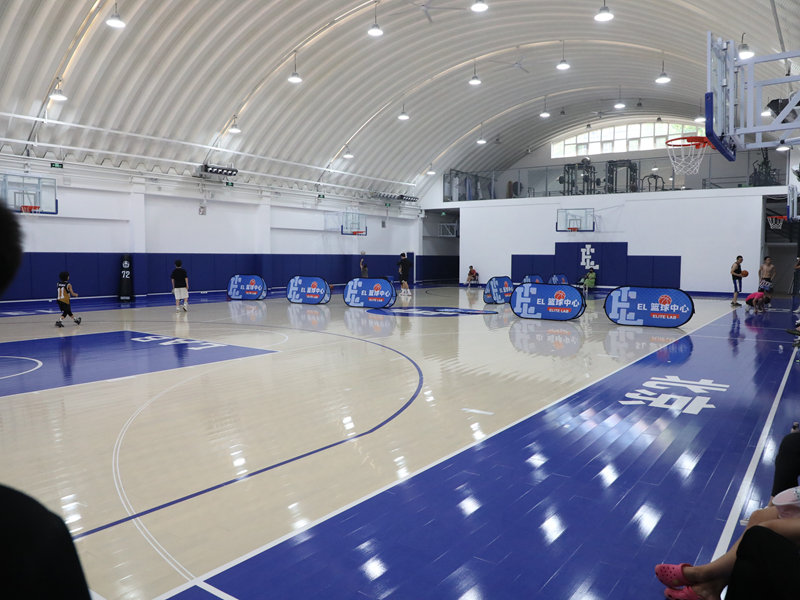
In an era where many facility managers are prioritizing environmentally responsible building materials, indoor basketball court wood flooring stands out as one of the most sustainable options for indoor sports surfaces. Unlike many synthetic sports flooring products that are made from non-renewable petroleum-based materials and end up in landfills at the end of their relatively short lifespans, properly sourced hardwood is a completely renewable resource that can be harvested from responsibly managed forests. When forests are managed with sustainable practices, new trees are planted to replace every tree that is harvested, creating a continuous cycle of renewal that does not deplete natural ecosystems. Many of the most popular wood species used for basketball floors grow abundantly in well-managed temperate forests, with no risk of overharvesting when proper certification standards are followed.
The long lifespan of high-quality indoor basketball court wood flooring is another major factor that contributes to its environmental advantage over alternative materials. A well-maintained wood floor can easily last 40 to 60 years, with many historic courts still in active use after more than a century of continuous play. By comparison, most synthetic sports surfaces need to be completely replaced every 10 to 15 years, generating huge amounts of non-recyclable waste that has to be transported to landfills. Over the course of 60 years, a single wood court would only need to be refinished a handful of times, while a synthetic court would need to be fully replaced four or five times, creating a massive difference in total environmental impact. Even when a wood floor finally reaches the end of its usable life as a basketball court, the planks can be repurposed for other uses like furniture making or decorative flooring, keeping the material out of landfills almost indefinitely.
Modern finishing products for indoor basketball court wood flooring have also evolved dramatically in recent years to reduce their environmental footprint. Low-VOC and zero-VOC water-based finishes have replaced older solvent-based products that released high levels of harmful volatile organic compounds into the air, creating a healthier indoor environment for players and staff while also reducing chemical pollution. These new finishes are just as durable as their older counterparts, and they cure faster with no strong lingering fumes that would force a facility to stay closed for days after application. When you add in the fact that wood acts as a natural carbon sink, storing all the carbon that the tree absorbed during its decades of growth, it becomes clear that wood flooring is one of the most eco-friendly choices any sports facility can make.
Leave a Reply