

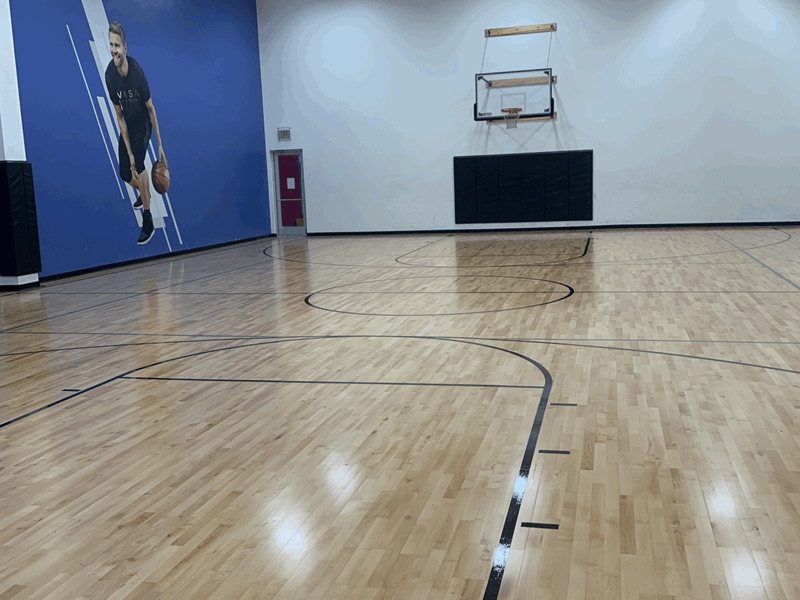
One of the biggest challenges that any facility manager faces with indoor basketball court wood flooring is managing the natural tendency of wood to expand and contract in response to changes in humidity and temperature. Wood is a hygroscopic material, which means it naturally absorbs and releases moisture from the air around it to reach a state of equilibrium. When relative humidity in the arena rises during humid summer months, the wood planks absorb moisture and swell slightly in width, and when humidity drops in the dry winter heating season, the planks release moisture and shrink back down. This natural behavior is not a flaw in the material; it is a fundamental property of all natural wood, and good flooring systems are designed to accommodate this movement rather than fight against it.
The key to keeping indoor basketball court wood flooring stable through all seasons is maintaining consistent relative humidity levels inside the facility year-round. The ideal range for most hardwood sports floors is between 45 and 55 percent relative humidity, a range that keeps the wood's moisture content perfectly balanced so it does not experience extreme swelling or shrinking. Facilities that invest in dedicated HVAC systems with humidification and dehumidification capabilities to maintain this stable range see far fewer problems with their floors, with no unsightly gaps opening up between planks in the winter or planks buckling upward in the summer. Even small, consistent adjustments to indoor air quality can make a massive difference in how the floor performs, preventing almost all of the common moisture-related issues that cause premature damage.
Facility design also plays a critical role in protecting indoor basketball court wood flooring from extreme temperature and humidity swings. Proper moisture barriers installed between the concrete slab and the wood subfloor prevent moisture from rising up through the ground and saturating the bottom of the planks, which is one of the most common causes of severe warping. Good ventilation systems that circulate air evenly across the entire court surface prevent pockets of stagnant, high-humidity air from building up in corners or under bleachers, ensuring that every section of the floor experiences the same consistent environmental conditions. When these systems are working together correctly, the wood floor remains stable and flat for decades, with no unexpected movement that could create safety hazards for players.
Leave a Reply