

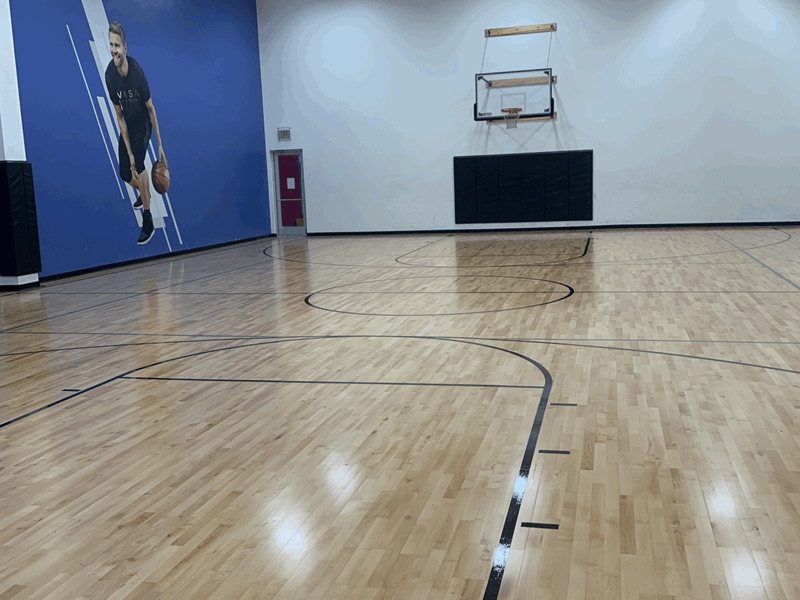
The environmental impact of sports wood flooring is an important consideration for facility owners and managers who are committed to sustainability and environmental responsibility. While wood is a renewable resource, the production and disposal of sports wood flooring can have significant environmental consequences if not managed properly.
One key aspect of sustainability in sports wood flooring is the sourcing of the wood itself. It's important to choose wood that comes from sustainably managed forests, where trees are harvested in a way that maintains the forest's ecological balance and biodiversity. Look for certifications such as the Forest Stewardship Council (FSC) or Programme for the Endorsement of Forest Certification (PEFC) to ensure that the wood you are using is responsibly sourced.
Another consideration is the manufacturing process. Opt for manufacturers that use environmentally friendly production methods, such as low-VOC (volatile organic compound) finishes and adhesives, and energy-efficient machinery. This helps to reduce the carbon footprint of the flooring and minimize its impact on air quality.
During the use phase, proper maintenance and care can extend the lifespan of sports wood flooring, reducing the need for frequent replacements and minimizing waste. As mentioned earlier, regular cleaning, inspection, and protection measures can help keep the floor in good condition for years to come.
Finally, when it comes time to replace or dispose of sports wood flooring, consider recycling or repurposing the material. Wood flooring can often be refinished or resurfaced to give it a new lease on life, or it can be used for other purposes such as furniture or decorative elements. If recycling is not an option, ensure that the wood is disposed of in a responsible manner, such as through a waste-to-energy facility or a landfill that accepts wood waste.
In conclusion, the environmental impact of sports wood flooring can be minimized through responsible sourcing, manufacturing, maintenance, and disposal practices. By making sustainable choices at every stage of the flooring's lifecycle, facility owners and managers can contribute to a more environmentally friendly and responsible sports industry.
Leave a Reply