

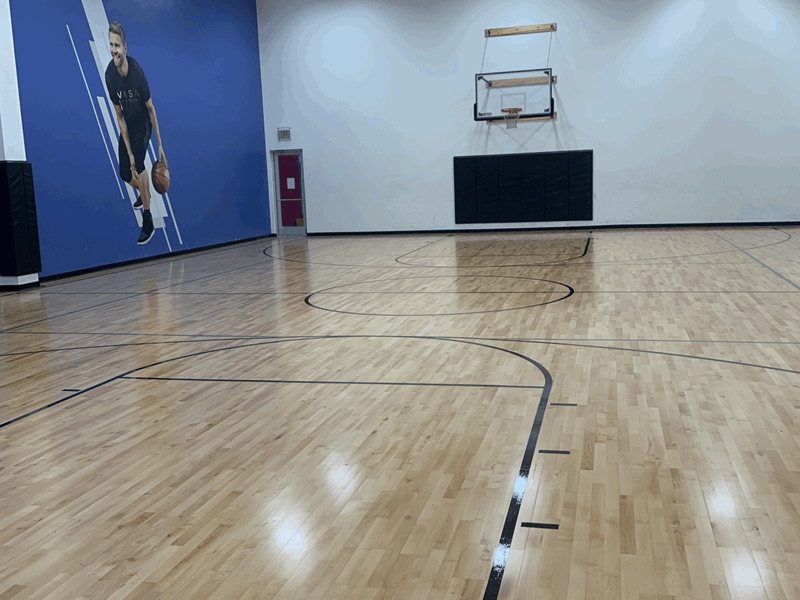
The environmental impact of indoor basketball court flooring is an important consideration in today's world, where sustainability is a growing concern. Wooden floors, especially those made from sustainably harvested maple, can be a relatively environmentally friendly option. Maple is a renewable resource, and when sourced from responsibly managed forests, its use has minimal impact on the environment. Additionally, wooden floors can be recycled or repurposed at the end of their useful life, reducing waste.
However, the production and maintenance of wooden floors also have some environmental drawbacks. The manufacturing process requires energy and resources, and the use of chemical finishes and cleaners can release harmful substances into the environment. The transportation of wooden materials over long distances also contributes to carbon emissions.
Synthetic flooring materials, on the other hand, have a different set of environmental considerations. Some synthetic materials are made from non - renewable resources such as petroleum, and their production can generate significant amounts of waste and pollution. However, advancements in technology have led to the development of more eco - friendly synthetic flooring options. For example, some manufacturers are using recycled materials in the production of polyurethane and rubber floors, reducing the demand for virgin resources.
To minimize the environmental impact of indoor basketball court flooring, it's important to choose materials that are sustainably sourced, have a low carbon footprint, and are recyclable or biodegradable. Additionally, proper maintenance and disposal practices can help to reduce waste and pollution associated with the flooring.
Leave a Reply