

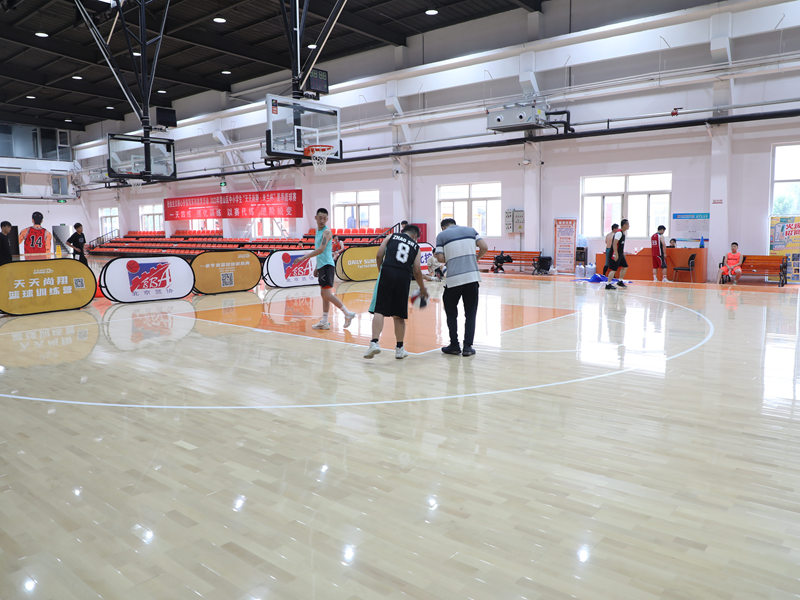
In an era of increasing environmental awareness, facility managers and sports organizations are under growing pressure to make sustainable choices. When it comes to basketball court flooring, the conversation often revolves around a single question: Is wood flooring sustainable? The answer is nuanced — and it depends on how you look at it. In this article, we will explore the environmental impact of basketball court wood flooring from every angle.
The Case FOR Wood as a Sustainable Choice
- Renewable Resource: Wood is a renewable resource. Trees can be replanted and harvested on a sustainable cycle. In North America, the rate of tree planting exceeds the rate of harvesting.
- Long Lifespan: A quality hardwood basketball court can last 30-50 years. Compare that to synthetic surfaces, which typically last 8-12 years before needing replacement. Over a 50-year period, a wood floor generates far less waste.
- Biodegradable: At the end of its life, wood is 100% biodegradable. Synthetic surfaces (rubber, PVC, polyurethane) can take hundreds of years to decompose and often end up in landfills.
- Carbon Sequestration: Trees absorb CO2 as they grow. When wood is used in a basketball court, that carbon is "locked in" for the life of the floor. A single hardwood basketball court can sequester several tons of CO2.
- Low VOC Finishes: Modern sports floor finishes are water-based and have very low VOC (Volatile Organic Compound) emissions, making them much more environmentally friendly than the solvent-based finishes of the past.
Leave a Reply