

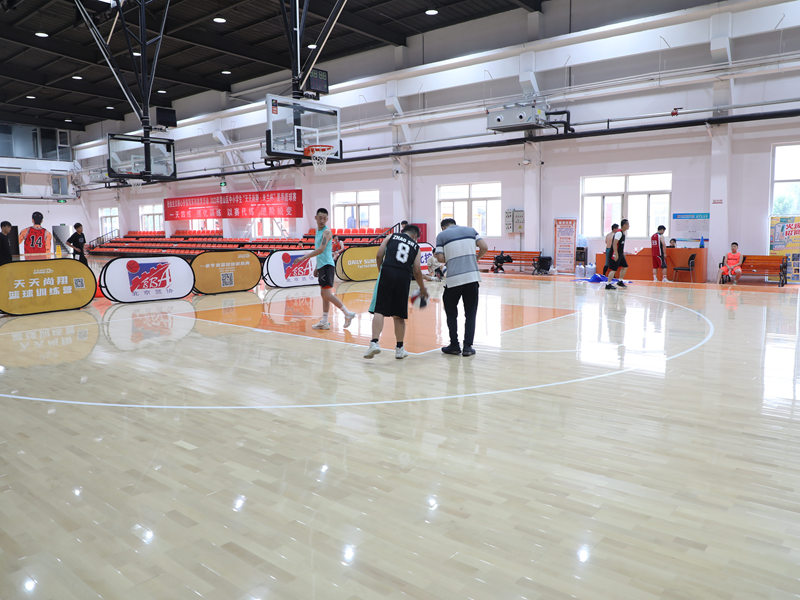
Sustainability is no longer a niche concern. Facility owners, architects, and sports organizations are increasingly evaluating the environmental footprint of their decisions, and flooring is no exception. Hardwood flooring for indoor basketball courts has a surprisingly strong sustainability profile when examined closely.
The primary material, hardwood, is a renewable resource. Trees are harvested, and new ones are planted in their place. Responsibly managed forests, certified by organizations that promote sustainable forestry, ensure that the rate of harvest does not exceed the rate of regrowth. When you specify hardwood from certified sources, you are supporting a cycle that can continue indefinitely.
The lifespan of a hardwood basketball court is one of its greatest environmental advantages. A well-maintained court can last thirty to forty years, during which time it requires no replacement. Compare this to synthetic surfaces, which typically need replacement every ten to fifteen years, generating significant waste. Over a thirty-year period, a hardwood court produces a fraction of the waste that multiple synthetic replacements would generate.
Refinishing further extends the environmental benefit. Instead of replacing the entire floor, you simply sand off the old finish and apply a new one. This process uses a fraction of the materials and energy required for a full replacement. The wood itself remains in place, continuing to serve its purpose.
Finishes have also evolved. Modern sport floor finishes are water-based, low-VOC, and free from the harsh solvents that older products contained. This reduces the environmental impact of both installation and refinishing.
At the end of its life, hardwood can be repurposed. Old planks can be milled into furniture, used for flooring in non-sport applications, or even burned for energy recovery. Nothing is wasted.
The carbon footprint of hardwood should also be considered. Trees sequester carbon as they grow, and that carbon remains stored in the wood for the life of the product. A hardwood floor is essentially a carbon sink. Synthetic alternatives, by contrast, are petroleum-based and release carbon both during manufacture and disposal.
Of course, transportation and installation have environmental costs. Sourcing wood locally reduces these impacts. Choosing a supplier within a reasonable distance can meaningfully lower the carbon footprint of your project.
is not perfect from an environmental standpoint, but when compared to the alternatives, it is one of the most sustainable choices available for indoor basketball court flooring.
Leave a Reply