

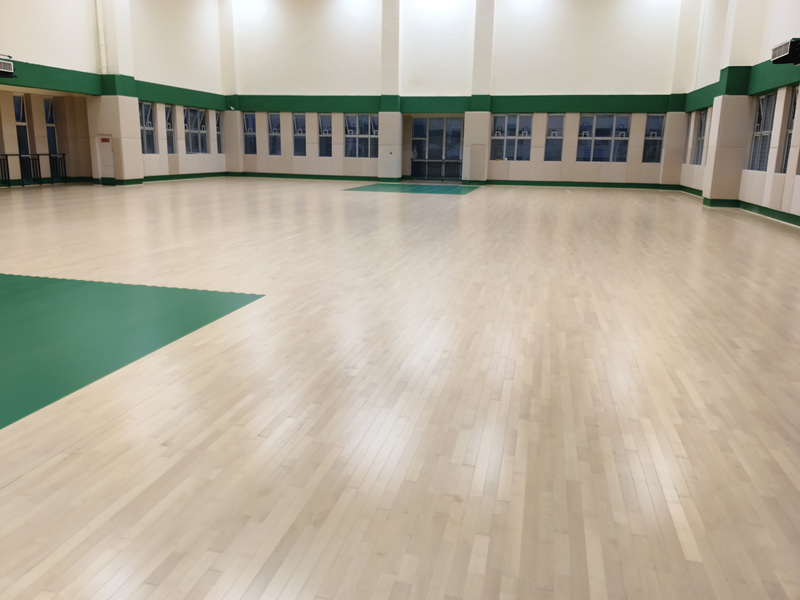
Indoor sports wooden flooring is not a commodity. It is a precision-engineered product that must meet specific technical standards. Understanding these standards is essential for facility owners, architects, and specifiers who want to ensure they are getting a floor that performs as promised.
The most widely recognized standard for sports wood flooring is EN 14904, the European standard for indoor sports flooring. This standard defines the performance requirements for ball rebound, shock absorption, vertical deformation, slip resistance, and rolling load. It also specifies the test methods that must be used to verify compliance. In North America but it has enormous potential.
The second trend is improved sustainability. The industry is moving toward even more responsible sourcing, with a focus on reclaimed wood, faster-growing species, and carbon-neutral manufacturing. Some manufacturers are exploring bio-based finishes that are even more environmentally friendly than current water-based products. The goal is to create a floor that has a net-zero or even net-positive environmental impact.
The third trend is enhanced durability. New finish technologies are producing coatings that last longer, resist wear better, and maintain their slip-resistance properties for more recoating cycles. Some finishes now include nano-technology additives that strengthen the wood surface at the molecular level. This means floors will need recoating less frequently, reducing maintenance costs and downtime.
The fourth trend is multi-sport versatility. As facilities increasingly need to accommodate multiple sports in the same space, flooring systems are being designed to perform well across a wider range of requirements. Adjustable shock absorption systems, modular panel designs, and universal finish systems are making it easier to convert a court from basketball to volleyball to badminton with minimal downtime.
The fifth trend is health and wellness integration. Future sports floors may incorporate features that actively promote athlete health. This could include antimicrobial finishes that reduce the spread of infections, air-purifying coatings, or even floors that generate a small amount of energy from player movement. While these concepts are still experimental, they point to a future where the floor is not just a surface but an active contributor to athlete well-being.
The sixth trend is digital design and customization. Advanced software allows architects and designers to visualize the finished floor in photorealistic detail before construction begins. Custom logos, colors, and patterns can be integrated into the design, giving each facility a unique identity.
Indoor sports wooden flooring has come a long way from the simple gymnasium plank of over a century ago. The future promises even more innovation, but the core truth remains: wood is the best material for indoor sports, and it will continue to evolve to meet the needs of athletes for generations to come.
Leave a Reply