

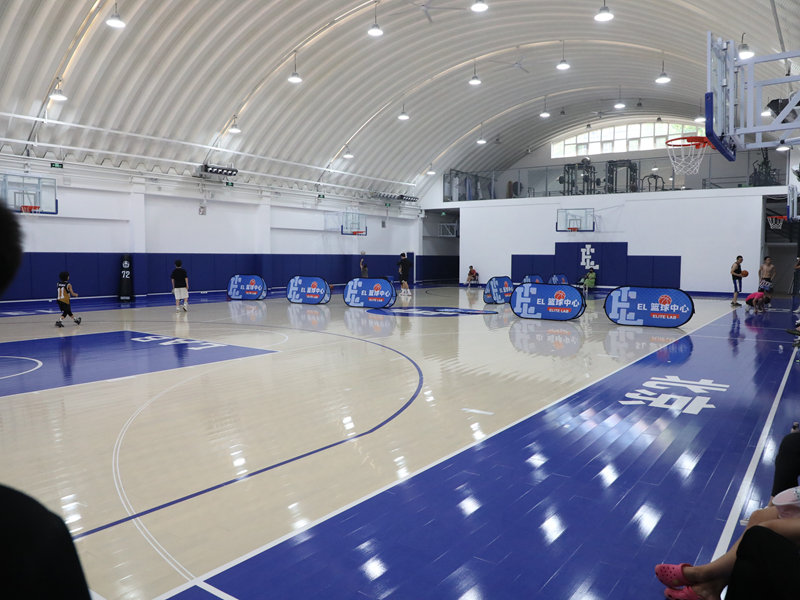
A well-installed indoor sports wooden floor can last 30 to 50 years, but only if it is properly maintained. Neglect will accelerate wear, degrade performance, and shorten the floor's life dramatically. A consistent maintenance routine is not optional. It is the price of getting the full value from your investment.
Daily maintenance is the foundation. Every day, the floor should be swept or vacuumed to remove dust, dirt, and sand. These abrasive particles act like sandpaper on the finish, scratching the surface and creating dull spots. A soft-bristle broom or a vacuum with a brush attachment is ideal. Avoid using wet mops daily, as excess moisture can seep into the wood and cause swelling, cupping, or finish delamination.
Weekly maintenance involves damp mopping. Use a flat mop with a microfiber pad, dampened with a pH-neutral cleaner specifically designed for sports floors. Never use harsh chemicals, ammonia-based cleaners, or wax-based products. These can damage the finish, make the floor slippery, or leave a residue that attracts dirt. The mop should be only slightly damp, not wet. Excess water is the enemy of wood flooring.
Monthly maintenance includes a more thorough inspection. Check for any scratches, scuffs, or areas where the finish is wearing thin. Early detection of problems allows for spot repairs before they become serious. Also check the expansion gaps around the perimeter of the floor. These gaps are essential for allowing the wood to expand and contract. If they are blocked by debris or furniture, the floor may buckle.
Every one to three years, depending on traffic volume, the floor should be professionally recoated. Recoating involves lightly sanding the entire surface to remove the top layer of worn finish, then applying fresh coats of sports finish. This restores the floor's gloss, slip resistance, and protective properties. The frequency of recoating depends on how heavily the floor is used. A professional basketball court may need recoating every one to two years, while a school gym may only need it every three to five years.
Deep sanding and refinishing should be done every 10 to 15 years, or when the top layer of performance, safety, and quality. It is the standard for a reason.
Leave a Reply