

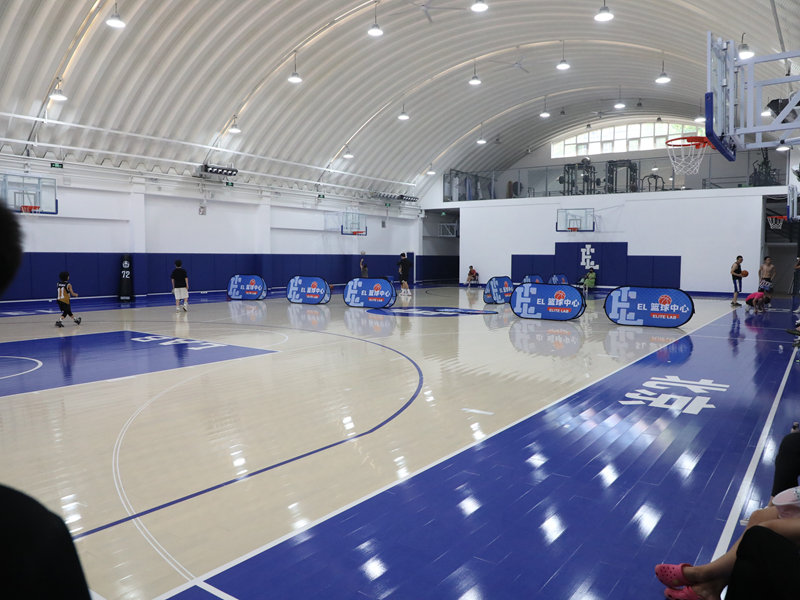
The debate between indoor sports wooden flooring and synthetic flooring (PVC, polypropylene, rubber) has been ongoing for decades. Both options have their merits, but for most serious athletic applications, hardwood remains the superior choice. In this article, we provide a detailed, side-by-side comparison to help you make an informed decision.
Overview of Synthetic Sports Flooring
Synthetic sports flooring includes:
- PVC (Polyvinyl Chloride) Flooring: The most common synthetic option. Available in rolls or tiles.
- Polypropylene (PP) Modular Tiles: Interlocking plastic tiles, popular for multi-use facilities.
- Rubber Flooring: Made from recycled rubber or EPDM. Common in weight rooms and multi-purpose areas.
Performance Comparison
Ball Rebound
| Surface | Ball Rebound Rate | Consistency |
|---|---|---|
| Sports Hardwood | 90-96% | Excellent |
| PVC Sports Floor | 80-90% | Good |
| Polypropylene Tiles | 75-85% | Fair (varies by tile) |
| Rubber Flooring | 70-85% | Fair |
Winner: Sports Hardwood — The consistent, predictable ball bounce of hardwood is unmatched. Synthetic floors can have "dead spots" where the ball behaves differently.
Shock Absorption
| Surface | Shock Absorption | Vertical Deformation |
|---|---|---|
| Sports Hardwood (with underlayment) | 35-50% | 0.6-2.3mm |
| PVC Sports Floor | 20-35% | 1.5-3.0mm |
| Polypropylene Tiles | 25-40% | 2.0-4.0mm |
| Rubber Flooring | 40-60% | 3.0-5.0mm |
Winner: Rubber Flooring (for shock absorption) / Sports Hardwood (for balance) — Rubber offers the best shock absorption, but sports hardwood with proper underlayment provides an excellent balance of shock absorption and energy return, which is what athletes need.
Traction
| Surface | Traction Level | Slip Risk |
|---|---|---|
| Sports Hardwood (matte finish) | High | Low |
| PVC Sports Floor | Medium | Medium |
| Polypropylene Tiles | Medium-High | Medium |
| Rubber Flooring | Medium | Low-Medium |
Winner: Sports Hardwood — The natural texture of hardwood provides excellent grip for athletic shoes, reducing the risk of slipping during quick movements.
Durability Comparison
| Factor | Sports Hardwood | PVC | PP Tiles | Rubber |
|---|---|---|---|---|
| Lifespan | 30-50+ years | 8-15 years | 10-15 years | 10-20 years |
| Wear Resistance | Excellent | Good | Fair | Good |
| Repairability | Individual planks can be replaced | Sections can be replaced | Individual tiles can be replaced | Difficult to repair |
| Refinishing | Yes (6-10 times) | No | No | No |
| UV Resistance | Good (with finish) | Excellent | Good | Excellent |
Winner: Sports Hardwood — The ability to sand and refinish a hardwood floor multiple times gives it a dramatically longer lifespan than any synthetic option.
Cost Comparison (Installed, per square foot)
| Surface | Material + Installation | Annual Maintenance | 20-Year Total Cost |
|---|---|---|---|
| Sports Hardwood | $23-55 | $1-3 | $43-115 |
| PVC Sports Floor | $8-20 | $0.50-1 | $18-40 |
| PP Modular Tiles | $10-18 | $0.50-1 | $20-38 |
| Rubber Flooring | $10-25 | $0.50-1 | $20-45 |
Winner: Synthetic (short-term) / Sports Hardwood (long-term) — Synthetic floors are cheaper upfront, but sports hardwood is more cost-effective over the long term due to its longer lifespan and refinishing capability.
Aesthetics
| Surface | Visual Appeal | Customization | Professional Look |
|---|---|---|---|
| Sports Hardwood | ★★★★★ | High (stain, logo, lines) | ★★★★★ |
| PVC Sports Floor | ★★★☆☆ | Medium | ★★★☆☆ |
| PP Modular Tiles | ★★☆☆☆ | Medium | ★★☆☆☆ |
| Rubber Flooring | ★★☆☆☆ | Low | ★★☆☆☆ |
Winner: Sports Hardwood — There is simply no substitute for the natural beauty of a polished hardwood sports floor.
Environmental Impact
| Surface | Sustainability | VOC Emissions | Recyclability | Carbon Footprint |
|---|---|---|---|---|
| Sports Hardwood | ★★★★★ (renewable) | Low (water-based finishes) | Biodegradable | Low (carbon sequestration) |
| PVC Sports Floor | ★☆☆☆☆ (petroleum-based) | High (phthalates, VOCs) | Difficult | High |
| PP Modular Tiles | ★★☆☆☆ | Medium | Recyclable | Medium |
| Rubber Flooring | ★★★☆☆ (recycled content) | Low-Medium | Recyclable | Medium |
Winner: Sports Hardwood — Wood is the most environmentally friendly flooring option available.
When Synthetic Flooring Makes Sense
While sports hardwood is generally superior, synthetic flooring is the better choice in certain situations:
- Very tight budget: If you can't afford hardwood upfront, PVC or PP tiles are more affordable.
- Multi-use facility with wet areas: Synthetic floors handle water better than hardwood.
- Temporary or portable installation: PP tiles can be installed and removed quickly.
- Weight rooms: Rubber flooring is ideal for areas with heavy equipment.
- Outdoor use: Synthetic floors can be used outdoors; hardwood cannot.
Final Verdict
| Category | Winner |
|---|---|
| Performance | Sports Hardwood |
| Durability | Sports Hardwood |
| Aesthetics | Sports Hardwood |
| Sustainability | Sports Hardwood |
| Upfront Cost | Synthetic |
| Long-Term Cost | Sports Hardwood |
| Ease of Installation | Synthetic (PP Tiles) |
| Moisture Resistance | Synthetic |
Overall Winner: Indoor Sports Wooden Flooring
For any serious athletic facility, sports wooden flooring is the clear choice. It offers superior performance, unmatched aesthetics, exceptional durability, and the best environmental profile. Synthetic floors have their place, but they are best suited for budget-constrained, multi-use, or non-competitive facilities.
Leave a Reply