

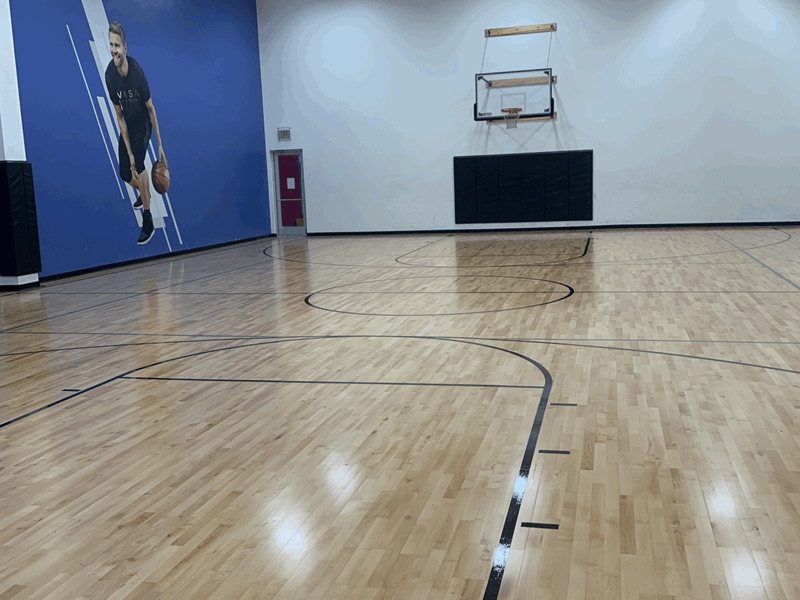
When designing or renovating an athletic facility, one of the most important decisions is the choice of flooring. While indoor sports wooden flooring is the gold standard, there are several other options available, including synthetic sports floors, polished concrete, rubber flooring, and vinyl. This article compares indoor sports wooden flooring with these alternatives to help you make the best decision for your facility.
Indoor Sports Wooden Flooring vs. Synthetic Sports Floors
Synthetic sports floors, such as those made from polypropylene (PP) interlocking tiles or poured polyurethane, are significantly cheaper upfront than wood. However, they fall short in several key areas. Synthetic floors do not provide the same level of shock absorption as wood, which means more stress on athletes' joints. The ball bounce on synthetic floors is also less consistent, which can affect gameplay. Aesthetically, synthetic floors cannot match the look and feel of real hardwood. Over time, synthetic floors also tend to fade, stain, and become slippery, requiring more frequent replacement. Wood floors, while more expensive initially, offer superior performance, aesthetics, and longevity.
Indoor Sports Wooden Flooring vs. Polished Concrete
Polished concrete is sometimes used in multipurpose facilities due to its low cost and durability. However, it is a terrible choice for sports applications. Concrete provides almost no shock absorption, which puts athletes at high risk of injury. The ball bounce on concrete is unpredictable, and the surface is extremely hard and unforgiving. Concrete also tends to be cold and damp, creating an uncomfortable environment. Indoor sports wooden flooring outperforms concrete in every category relevant to athletic performance.
Indoor Sports Wooden Flooring vs. Rubber Flooring
Rubber flooring, often made from recycled tire rubber, is common in weight rooms and some training facilities. It provides good shock absorption and is durable, but it does not offer the ball bounce consistency or the premium appearance of wood. Rubber floors can also have a strong odor when new, and they tend to collect dust and dirt in their textured surface. For sports that require a true ball bounce, such as basketball and volleyball, rubber is simply not a viable alternative to wood.
Indoor Sports Wooden Flooring vs. Vinyl Sports Flooring
Vinyl sports flooring, including roll-out vinyl and luxury vinyl tiles (LVT), has improved significantly in recent years and can mimic the look of wood at a lower cost. However, vinyl does not offer the same durability or performance as real wood. It can tear, puncture, and delaminate under heavy use. The ball bounce on vinyl is also inferior to wood. While vinyl may be suitable for low-traffic recreational facilities, it is not recommended for competitive or high-traffic environments.
The Verdict
When all factors are considered — performance, safety, aesthetics, durability, and long-term cost — indoor sports wooden flooring is the clear winner. The higher initial investment is more than justified by the superior experience it provides for athletes and spectators alike.
Leave a Reply