

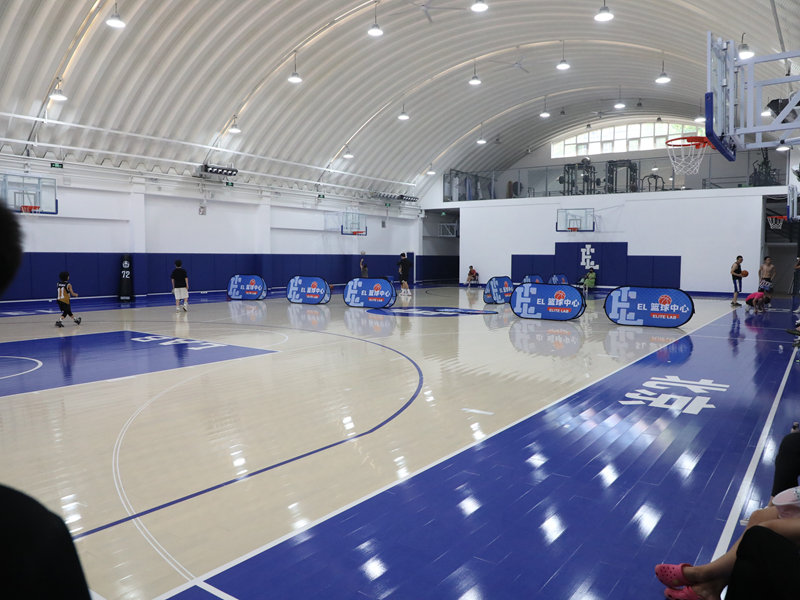
Choosing the right sports wood floor is not about picking the most expensive product on the market. It is about matching the floor to your specific needs. The wrong floor for your facility is worse than no floor at all, because it will cost you money in repairs, injuries, and lost usage time.
The first question to ask is: what sports will be played on this floor? Basketball requires a different floor than badminton, which requires a different floor than volleyball. Basketball courts need high shock absorption and a specific ball bounce rate. Badminton courts need a firmer surface with less cushion because the shuttlecock behavior is different. Volleyball courts need excellent friction to prevent slipping during lateral movements. Getting the sport right first narrows down the options significantly.
The second question is: how intense will the usage be? A school gym used for a few hours a day by students is very different from a professional training facility used 10 hours a day by elite athletes. High-intensity use requires harder wood species, thicker panels, denser structural systems, and more durable finishes. Low-intensity use can get by with softer wood and simpler structures, saving money without sacrificing quality.
The third question is: what is your budget, really? Not the budget you wish you had, but the budget you actually have. A good supplier will work within your budget to find the best possible combination of materials. They will not try to upsell you into a system you do not need. If you are honest about your constraints, you will get a better recommendation.
The fourth question is: what is your climate? In northern regions with dry winters, wood flooring must be engineered to handle low humidity without cracking. In southern regions with high humidity, the floor must resist swelling and mold. The panel thickness, finish type, and installation method all need to account for local climate conditions.
The fifth question is: who will maintain the floor? If you have a dedicated maintenance team, you can choose a higher-end finish that looks better but requires more care. If maintenance will be minimal, choose a more durable, lower-maintenance finish even if it looks slightly less premium.
Once you have answers to these five questions, you are ready to talk to suppliers. Ask them to show you case studies from facilities similar to yours. Ask them to explain their structural system in detail. Ask them what happens if something goes wrong after installation. A good supplier will answer all of these questions clearly and honestly.
Leave a Reply