

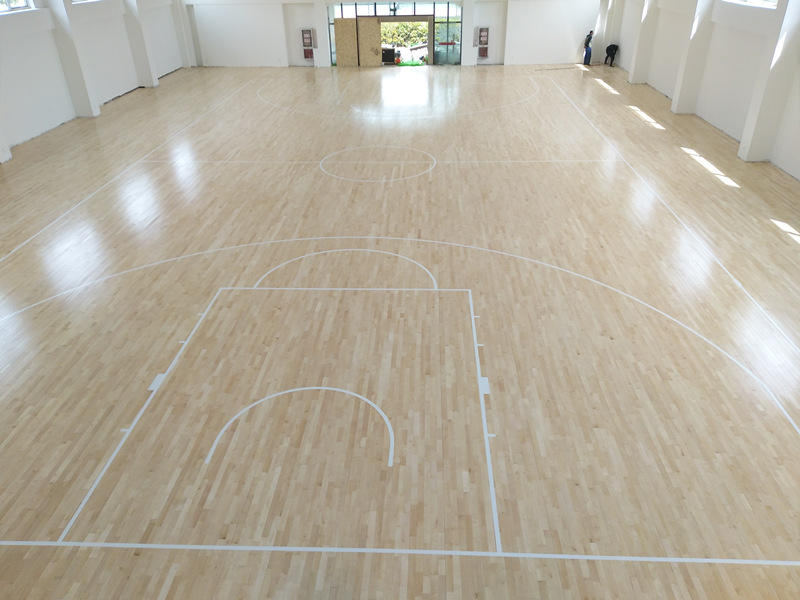
Indoor sports facilities face a unique set of persistent challenges, and modular sports wood flooring has proven to be a targeted solution for nearly all of them. One of the most widespread issues is limited space availability, especially during peak winter seasons when indoor courts are in high demand for sports that typically use outdoor fields. Traditional fixed wood floors lock facilities into a single court layout, making it impossible to quickly adapt to sudden spikes in demand for different sports. Modular systems solve this by allowing staff to split a single large gym into two separate practice courts in under three hours, using lightweight interlocking panels that require no specialized installation tools. This flexibility also extends to facilities that rent out their spaces for non-sporting events; instead of laying down temporary protective covers that can damage permanent wood floors, staff can simply remove sections of the modular system to create open areas for seating, booths, or catering stations, then reassemble the full court once the event concludes. Another major challenge is moisture damage, which is one of the leading causes of premature failure for traditional fixed sports wood flooring. Modular wood panels are designed with built-in air circulation gaps beneath each section, preventing trapped moisture from warping the wood or causing mold growth even in spaces with fluctuating humidity levels. This makes the system far more resilient in regions with extreme seasonal weather changes, where traditional wood floors often expand and contract to create dangerous gaps or raised edges. Even in facilities that lack climate control systems, modular sports wood flooring maintains its structural integrity year-round, eliminating the need for costly dehumidification equipment that many traditional wood floor installations require.
How Modular Sports Wood Flooring Solves Common Indoor Facility Challenges
Leave a Reply