

Even small mistakes during the assembly process of an indoor basketball wooden floor can lead to serious problems later on, affecting the performance, safety, and service life of the entire court. One of the most common mistakes is skipping the acclimation step for the wooden planks. Many people want to finish the installation as quickly as possible, so they take the planks out of the packaging and start laying them immediately. But wood is a natural material that needs time to adapt to the temperature and humidity of the indoor environment. If you lay the planks without acclimation, they will start to expand or shrink after assembly, leading to gaps between planks or even buckling of the entire floor surface. This mistake can be easily avoided by storing all the wooden planks in the installation space for at least a few days before assembly, allowing them to reach a balanced moisture content with the surrounding air.
Another frequent mistake is not reserving enough expansion gaps around the edges of the basketball wooden floor. As the seasons change, the humidity in the air will rise and fall, causing the wooden planks to expand when it is humid and contract when it is dry. If there is no enough space left around the edges of the court, the expanding planks will have nowhere to go, and they will push against the walls or each other, causing the floor to warp upwards in the middle. Many inexperienced installers make the mistake of fitting the planks too tightly against the walls, thinking that a completely seamless look is better, but this will lead to serious problems when the rainy season comes. The correct assembly practice is to leave a consistent width of expansion gap along all the walls and fixed obstacles around the court, and then cover these gaps with special edge trim that hides the space without restricting the movement of the floor.
Other common mistakes include not checking the flatness of the subbase carefully before assembly, using low-quality elastic pads that lose their elasticity quickly, or not sanding the floor evenly after laying. These mistakes will result in a floor that has inconsistent bounce, poor shock absorption, or uneven spots that can cause players to trip. By avoiding these mistakes and following the correct professional assembly procedures, you can ensure that your basketball wooden floor will perform perfectly and last for many years.
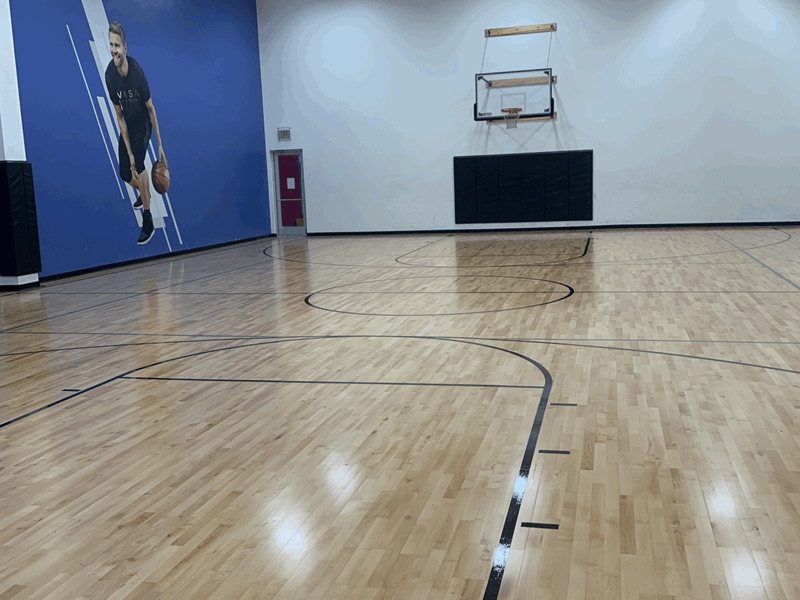
Common Mistakes to Avoid When Assembling an Indoor Basketball Wooden Floor
Leave a Reply