

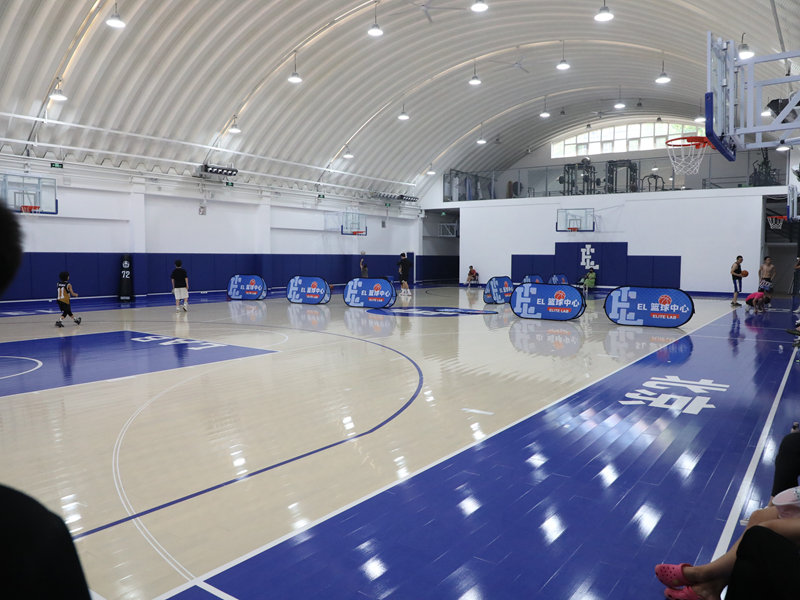
From a scientific standpoint, wooden flooring offers several advantages that can directly impact sports performance. Understanding the underlying physics and biomechanics can help to explain why wooden floors are the preferred choice for many sports venues.
Shock Absorption and Energy Return
One of the key scientific properties of wooden flooring is its ability to absorb shock and return energy. When an athlete jumps or lands on a wooden floor, the floor deforms slightly under the impact, absorbing a portion of the energy. This reduces the force transmitted to the athlete's joints, minimizing the risk of injury. At the same time, the floor also returns a portion of the energy to the athlete, helping them to generate more power in their next movement. This energy return is crucial for sports that require explosive movements, such as basketball and volleyball.
Friction and Traction
The friction between the athlete's footwear and the wooden floor is another important factor in sports performance. Wooden floors are designed to have a specific friction coefficient that provides the right amount of traction. Too little friction can cause the athlete to slip, while too much friction can impede movement and increase the risk of injury. The surface texture of the wooden floor, which is influenced by factors such as the type of wood, the finish, and the maintenance, plays a crucial role in determining the friction coefficient.
Elasticity and Deformation
The elasticity of wooden flooring allows it to deform under load and then return to its original shape. This property is essential for providing a responsive surface that can adapt to the movements of the athlete. When an athlete runs or jumps on a wooden floor, the floor deforms slightly, creating a cushioning effect. This deformation helps to reduce the impact on the athlete's body and can improve their overall comfort and performance.
Thermal Properties
The thermal properties of wooden flooring also have an impact on sports performance. Wood is a relatively good insulator, which means that it does not conduct heat or cold as easily as some other materials. This can help to keep the athlete's feet at a comfortable temperature, regardless of the ambient temperature of the venue. Additionally, the warmth of the wood can create a more inviting and comfortable environment for both athletes and spectators.
Acoustic Properties and Communication
As mentioned earlier, the acoustic properties of wooden flooring are important for effective communication in sports venues. Clear and distinct sound allows athletes to hear instructions from their coaches, calls from the referees, and the sounds of the game. This can help to improve their decision - making and coordination, leading to better overall performance. Additionally, a good acoustic environment can enhance the spectators' experience by allowing them to hear the sounds of the game more clearly.
Leave a Reply